Why Do We Celebrate Christmas on December 25th?
December 25th was chosen for Christmas not as Jesus's established birth date, but to align with Roman winter festivals like Saturnalia. This date, near the winter solstice, also symbolizes Jesus as the "Light of the World," representing an amalgamation of tradition, culture, and renewal.
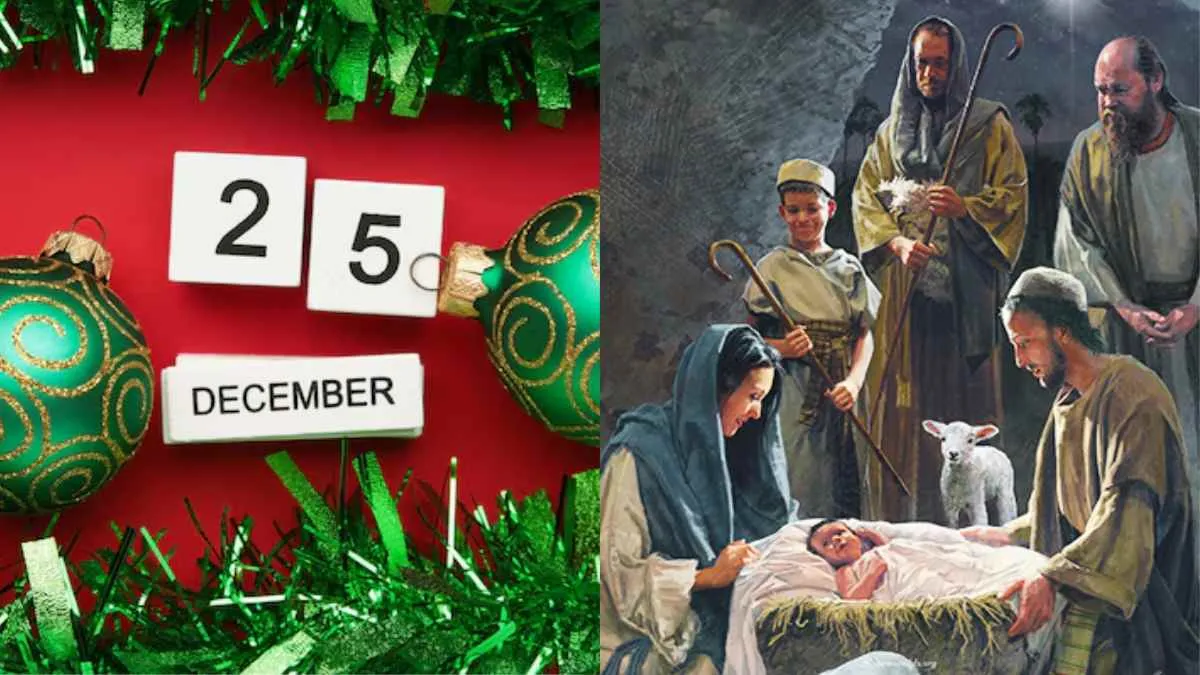
Across the globe, Christmas is one of the most widely practiced holidays. Every year, on December 25th, millions gather to celebrate Christmas, which marks the birth of Jesus Christ, who is considered by Christians to be God’s son. While Christmas has great religious meaning for Christians, many people also enjoy celebrating it for its cultural significance and traditions. Many holiday themes,ideals include love, compassion, kindness, generosity, and hope.
Over time, what began as a religious event has become a large celebration featuring family gatherings, gift exchanges, festive decoration, music, and generosity to others. Holidays may differ in appearance depending on where you live, however, all of these celebrations promote togetherness, peace, and goodwill to all people.
Check Out: Personality Test: Choose a Christmas Tree to Reveal Your True Nature
Roman Celebrations
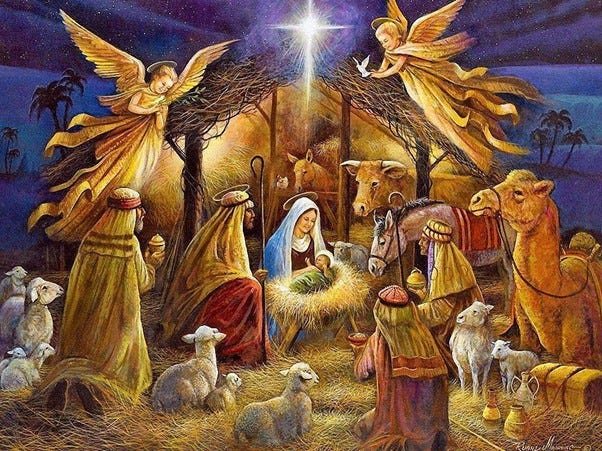
The reason why December 25 was selected as the date of celebration for Jesus’ Birthday is likely due to the fact that it coincided with several Roman winter celebrations. During this time period, Romans celebrated Saturnalia to mark the winter solstice as well as other festivities centred around the celebration of “the Unconquered Sun,” which was celebrated on December 25.
It is likely that early leaders of the Christian Church decided to commemorate Jesus’ birthday on December 25 in order to align their celebrations with the existing traditions of the Romans, which would provide a more convenient transition into Christianity for the Converts of the times.
Symbolism of Light and Renewal
The celebration of Christmas occurs shortly following the winter solstice, at which time we begin to see the lengthening of daylight hours for the Northern Hemisphere. To early Christians, Jesus was referred to as “Light of the World,” so to celebrate His Birthday during a period which represents the return of Light has a significant spiritual implication.
The Early Church's Acceptance of the Birth of Christ on December 25th
By 325 CE, December 25 had been adopted by the church hierarchy as Christmas Day in the Roman Empire for two reasons: to highlight Christ's importance and to create one unified Christian Calendar.
The Adoption of December 25 Across Cultures
December 25th eventually became adopted by nearly every denomination and country worldwide; however, in the Eastern Orthodox Church, Christmas is still observed in January as per the Julian Calendar.
Conclusion
It should be noted that Christmas is not celebrated on December 25th purely because it is the established date of Jesus' Birth; rather, this date represents an amalgamation of Tradition, Cultures (Roman), and Symbolism Light and Renewal into Christian society over a lengthy period.

Ayukta Zisha is an education journalist with over three years of experience in digital media. A graduate of St. Xavier’s College, she holds a Master’s degree in English along with a certification in Digital Marketing from IIT Delhi. Backed by a strong academic foundation in the humanities, she specializes in creating educational and general knowledge content across history, geography, literature, and current affairs. During her tenure at Jagran Josh, she worked extensively on U.S. news and global developments, curating informative and engaging content for a diverse readership. Her subject expertise and ability to simplify complex topics enable her to make complex information accessible to a wide audience. Beyond journalism, Ayukta is an avid reader and a published author.


-1792761794673_t.webp)





.jpg)
![[OUT] UPSSSC PET Admit Card 2026 LIVE: यूपी पीईटी एडमिट कार्ड जारी, upsssc.gov.in पर Direct Link](https://img.jagranjosh.com/images/2026/October/15102026/UPSSSC-PET-Admit-Card-2026.jpg)