
Did you know that India has a huge saltwater lake that many people don't know much about? Covering around 1,100 square kilometres, this massive lagoon is a true natural wonder. It lies on the eastern coast of India, in Odisha, and connects to the Bay of Bengal, where fresh and saltwater mix harmoniously. Every winter, this lake becomes a safe haven for over a million migratory birds that travel from Siberia, Mongolia, and Central Asia.

It's also one of the few places in the world where you can see the rare Irrawaddy dolphin swimming in the wild. In 1981, it became India's first Ramsar Site, underscoring its importance to nature and wildlife. In this article, we'll explore why this Lake is not only full of life and beauty but also proudly known as India's largest saltwater lake.
Which Is The Largest Saltwater Lake In India?
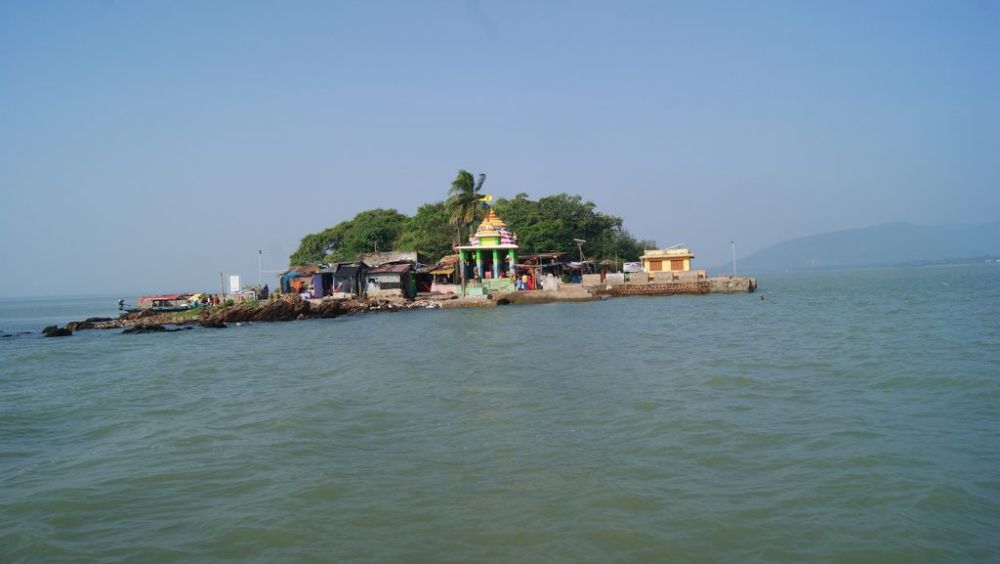
The largest saltwater lake in India is Chilika Lake, a massive, pear-shaped lagoon on the eastern coast of Odisha. This unique water body is not a completely inland lake but a brackish water lagoon—meaning it is partially salty because it connects to the Bay of Bengal through a narrow channel. Its formation is an ancient geological process: it separated from the Bay of Bengal roughly 3,500 to 4,000 years ago, when silt carried by rivers and ocean currents built up a sand spit. It was officially recognised for conservation in 1981 as India's first Ramsar site. India is home to approximately six major saltwater lakes, with Chilika being the largest by area.
10 Lesser-Known Facts about Chilika Lake
- Asia's Largest Lagoon: It holds the title of the largest brackish water lagoon in all of Asia.
- Irrawaddy Dolphin Habitat: It is one of the very few places in the world where vulnerable Irrawaddy dolphins can be seen.
- Floating Temple: The sacred Kalijai Temple is situated on one of the lake's small islands.
- Fluctuating Size: Its total area changes dramatically between the monsoon and summer seasons, varying from about 900 to 1,165 sq. km.
- The 'Nalaban' Sanctuary: A large island in the centre, Nalaban, is designated as a protected Bird Sanctuary.
- Winter Migration: Birds migrate to Chilika from distant regions like the Caspian Sea and Lake Baikal in Russia.

- Rich Fishery: Over 200,000 local fisherfolk rely on the lake for their livelihood.
- Shallow Depth: The lake is generally relatively shallow, with an average depth of less than two metres.
- Historical Port Site: Ancient records suggest the lake's banks once served as a safe harbour for maritime trade.
- Montreux Record: The lake was placed on the 'threatened' Montreux Record due to degradation, but was later removed after successful restoration efforts.





Comments
All Comments (0)
Join the conversation