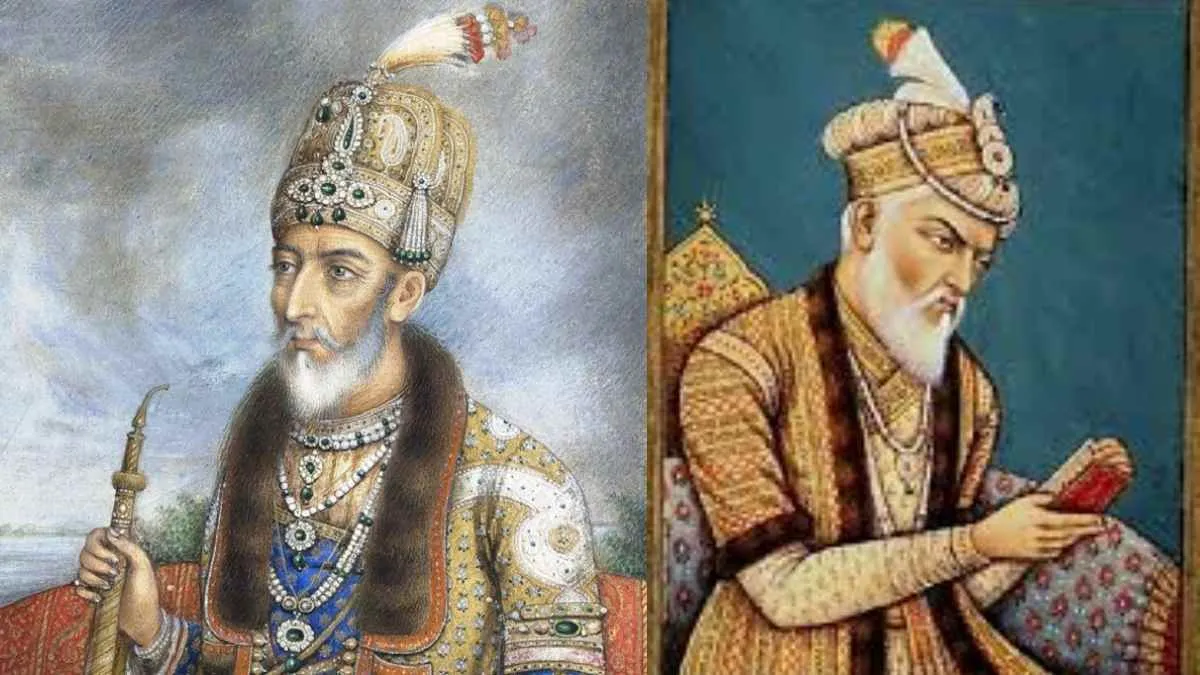
Generations of rulers throughout India's subcontinent have produced many layered rulers. These rulers' periods of dominance have had a strong effect on Indian culture, religion, politics, and social structure. One common question asked related to who is the longest reigning emperor on the subcontinent. The number of years a king reigned can give us information regarding his strength as a monarch, how stable he was to maintain control over that particular region, and what the likelihood of establishing political power during that time period was.
Although many monarchs established themselves as kings/queens for extended periods of time, most did not hold the actual governing power long enough to influence several generations Gaining an understanding of how Aurangzeb's long reign shaped and influenced Indian history will ultimately help you to gain a better understanding of how Indian governance worked during the Middle Ages.
Check Out: List of Top 6 Longest Ruling Kings in World History
Aurangzeb: India’s Longest-Reigning Emperor
As Aurangzeb ascended the Mughal emperorship after defeating his brothers in a long succession struggle, he reigned for almost five full decades during which time he led an empire that was at its greatest possible size geographically as stated by Standford University.
The Mughal Empire covered nearly all of India at that point, so as a result, Aurangzeb was involved in many military campaigns for territorial expansion as well as enforcing strict law and order on his subjects.
For this reason, he had an enormous impact on the culture, politics, and religion of Late Medieval India.
Why Aurangzeb’s Reign Stands Out
-
He reigned longer than any major Emperor of India, 49 Years
-
He was the first person to achieve maximum territorial expansion for the Mughal Empire
-
He installed strong centralised administration and made significant changes to the legal code
-
He had major battle campaigns including taking on Deccan for 25 plus years.
While there are many regional kings that ruled for lengthy periods, none surpassed the depth of empire influence and the breadth of Aurangzeb's rule which exceeded 50 years in length. In addition, Aurangzeb represents the height as well as the beginning of the decline of the Mughal Empire; hence, he is one of the most impactful rulers throughout the history of India.
Conclusion
Ultimately, Aurangzeb ruled for almost 49 years, making it the longest to date and one of the most impactful during the history of India. During Aurangzeb's reign, politics, administration and territorial growth evolved significantly and as a product created a lasting impression on medieval Indian history. The period of Aurangzeb's rule provides an understanding of power, government and empire building in India.





Comments
All Comments (0)
Join the conversation