Who invented Railway Engine (Steam Engine)? How was the First Look? Check Here
Richard Trevithick, known as the "father of the railway steam engine," built the first successful high-pressure steam locomotive in 1804. His engine, the "Penydarren locomotive," launched a new era in transport and was a catalyst for the Industrial Revolution. This invention laid the groundwork for future railway giants like George Stephenson's "Rocket".
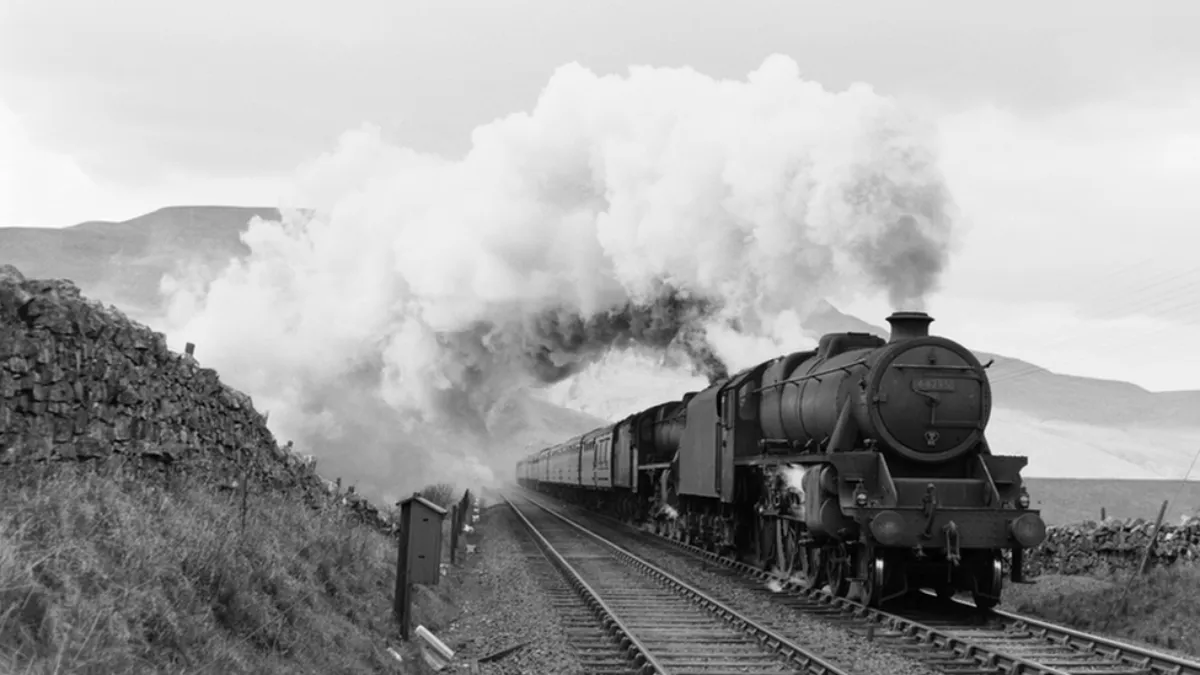
The evolution of the steam engine is among the milestones in the history of technology, transforming transport, industry, and society. While steam engines and pumps existed from the late 17th century, the turning point came with Richard Trevithick's engine in 1804 that laid the foundation for the era of railways.
The growth connected distant regions, facilitated commerce, and charted the course of the Industrial Revolution. Understanding the origins and early appearance of the railway engine shines light on this historic period of innovation and development.
Father of the Railway Steam Engine
British mechanical engineer Richard Trevithick (1771–1833) built the first locomotive with a high-pressure steam engine for the railway.
His revolutionary train was completed in 1804 in South Wales, England, and ran on the rail track of the Penydarren Ironworks, carrying loads and passengers.
Some previous innovators in the design of steam engines are:
-
Thomas Savery (1698): developed the first commercial steam-driven pump for mines.
-
Thomas Newcomen (1712): created a piston-powered atmospheric steam engine, well-suited for mine drainage and the industrial pumps.
-
James Watt (1769): increased efficiency of steam engine by introducing a detachable condenser, making the machine ubiquitous in industry.
First Glance of the Railway Engine
Trevithick's 1804 locomotive, popularly known as the "Penydarren locomotive," was a plain, sturdy, and practical machine.
Key features:
-
Horizontal cylindrical boiler producing high-pressure steam.
-
Vertical cylinder driving a sequence of wheels through connecting rods.
-
Heavy iron frame with flanged wheels suited for iron rails.
An open piston, levers, valves, and pipes adorned the exterior, and the driver rode over the frame to control operations.
It was around 9 feet long, 6 feet tall, and possessed an unadorned, mechanical appearance—a far cry from later streamlined locomotives.
On its initial run, the locomotive pulled five cars with around 10 tons of iron and 70 men, at a speed of about 5 miles/hour for 9.75 miles.
Early Development and Influence
The Penydarren engine made a few successful journeys but suffered from rail tenacity and viable dependability.
Trevithick continued to advance steam engines, leading to more robust designs from other engineers such as George Stephenson ("Rocket," 1829), which solidified steam locomotives as the pillar of railway travel.
These early machines were lamented, criticized, and refinanced with progress in design, safety, and steam technology.
It was in 1804 that Richard Trevithick created the steam engine of the railway, signaling the onset of the age of rail into the world and totally transforming the world of travel and industry. Its first form was crude, functional, and typical of industrial resourcefulness—kicking off the age of steam transport.
This innovation was based on sixty years of steam work and created the platform for world industrialization, setting tracks for the fast, integrated world of today. The legacy of these pioneering engines endures, reflecting human ambition and mechanical innovation
ALSO READ: What Are the Maratha Military Landscapes of India? India’s 44th UNESCO World Heritage

Kirti Sharma is a journalist in the education domain with three and a half years of experience creating high-quality content for the education technology (EdTech) and digital media industries. She has an expertise in covering education news. Kirti has experience in writing data backed informational pieces on General knowledge.
Kirti holds a Bachelor of Arts degree, which helped build her strong foundation in writing and research. Over the course of her career, she has brought her skills to a variety of well-known companies, including ThoughtPartners Global, Infinite Group, and MIM-Essay. Through these roles, she has learned how to take complex information and turn it into engaging, easy-to-understand content for readers online.