Which Country Is Called the Land of Camels?
Somalia is known as the Land of Camels because it has one of the largest camel populations in the world. Camels play a vital role in the country’s culture, economy, transport and dairy production.
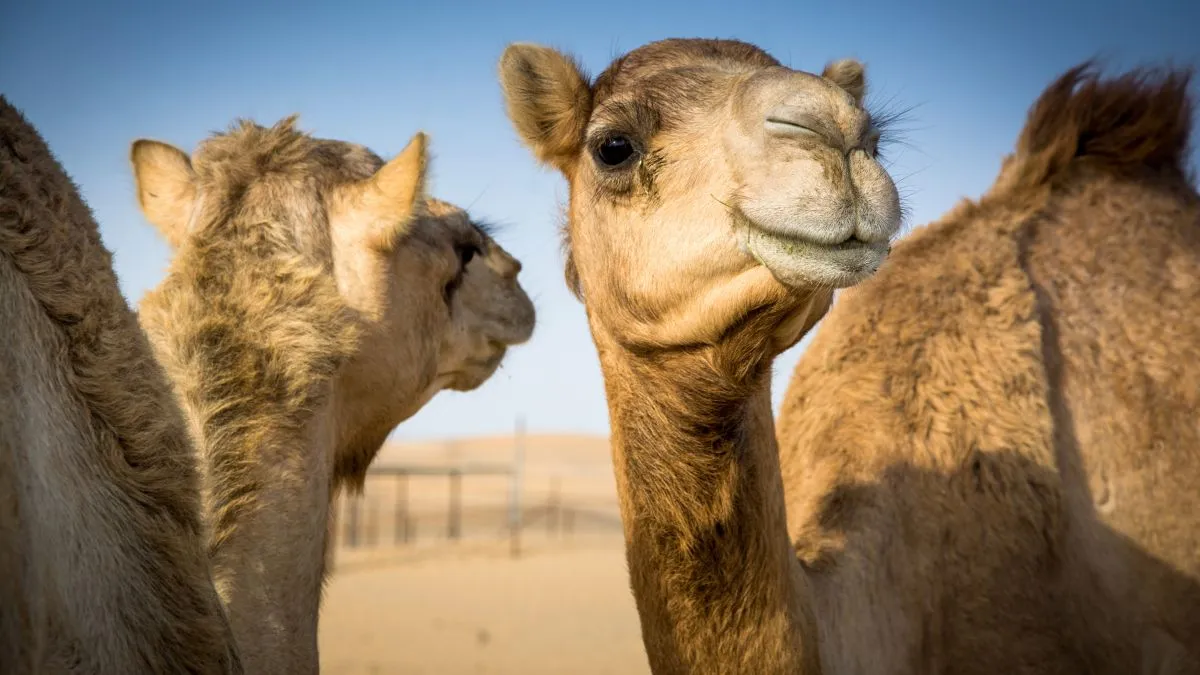
Land of Camels: Somalia is known as the Land of Camels because it has one of the largest camel populations in the world and camels play a central role in the country’s culture, lifestyle, transportation, food economy and pastoral traditions. Camels are an important source of milk, meat, livelihood and survival for nomadic and semi-nomadic communities across Somalia’s arid and semi-arid regions.
Why Is Somalia Called the Land of Camels?
Somalia is called the Land of Camels because camels are deeply connected to the country’s history, economy, heritage, and daily life. The dry climate, desert landscapes, and pastoral lifestyle make camels the most valuable domesticated animals in the region, supporting transport, trade, dairy supply and food security for millions of people.
Camel Population in Somalia
Somalia has one of the largest camel populations in the world, with camels widely reared across rural and nomadic regions. Camel herding is practised mainly in northern and central Somalia, where vast grazing lands, semi-arid climate and traditional pastoral systems support long-distance camel movement and seasonal migration for pasture and water.

Economic Importance of Camels in Somalia
Camels are a major pillar of Somalia’s rural economy. They contribute to income generation, livestock trade, dairy markets, and cross-border livestock export. Camel milk, camel meat, leather and livestock trading support livelihoods for pastoral families and form a key part of Somalia’s agricultural and livestock-based economy.
Largest Camel Population in the World
Somalia is among the countries with the largest camel population globally, with millions of camels raised for milk, meat, transportation and pastoral livelihood. Camels are valued as an economic asset and a symbol of wealth, stability and resilience in nomadic culture.
Major Camel-Rearing Regions
Camel herding is most prominent in regions such as Somaliland, Puntland, Galmudug, and central Somalia, where traditional pastoral communities depend on camel rearing for survival, grazing mobility and seasonal migration across drylands.
Important Role in Camel Milk Production
Somalia is one of the world’s leading contributors to camel milk production, where camel milk is consumed daily, traded in local markets, and used as a key nutritional food source in desert and semi-desert regions. Camel milk also supports domestic food security and rural economic activity.

Interesting Facts About Somalia
Cultural Symbol of Pride and Wealth
In Somali culture, camels are considered a sign of wealth, strength and social status, and they play a significant role in traditional poetry, songs, customs and heritage identity.
Essential for Survival in Dry Regions
Camels are highly adapted to arid climates and help communities survive in harsh desert conditions by providing milk, transport and mobility during long drought seasons.
Backbone of Nomadic Lifestyle
Nomadic and semi-nomadic pastoral communities depend on camels for migration, livestock trade, food supply and long-distance travel across grazing landscapes.
Major Source of Nutrition and Food Security
Camel milk is widely consumed as a staple food because of its nutritional value, shelf stability in hot climates and importance in rural diets.
Supports Livestock and Trade Economy
Camel rearing, marketing, transport and export activities generate employment, strengthen livestock value chains and support Somalia’s national economy.
Somalia is known as the Land of Camels because of its large camel population, strong pastoral traditions, cultural importance of camels and their major role in the country’s economy, dairy production, transportation and nomadic lifestyle. Keep reading for such topics.

Jasreet Kaur is a journalist with over 3 years of experience in digital media and news content creation. She specializes in covering Trending News, including major National and International developments, with a focus on delivering accurate, engaging, and reader-friendly stories. Prior to this, she worked with Zee News as a Content Writer, where she gained extensive experience in news reporting and content strategy. Driven by curiosity, credibility, and a passion for impactful journalism, Jasreet aims to contribute to informed public discourse while supporting positive growth in organizations, society, and the world.


-1792761794673_t.webp)


.jpg)

![[OUT] UPSSSC PET Admit Card 2026 LIVE: यूपी पीईटी एडमिट कार्ड जारी, upsssc.gov.in पर Direct Link](https://img.jagranjosh.com/images/2026/October/15102026/UPSSSC-PET-Admit-Card-2026.jpg)