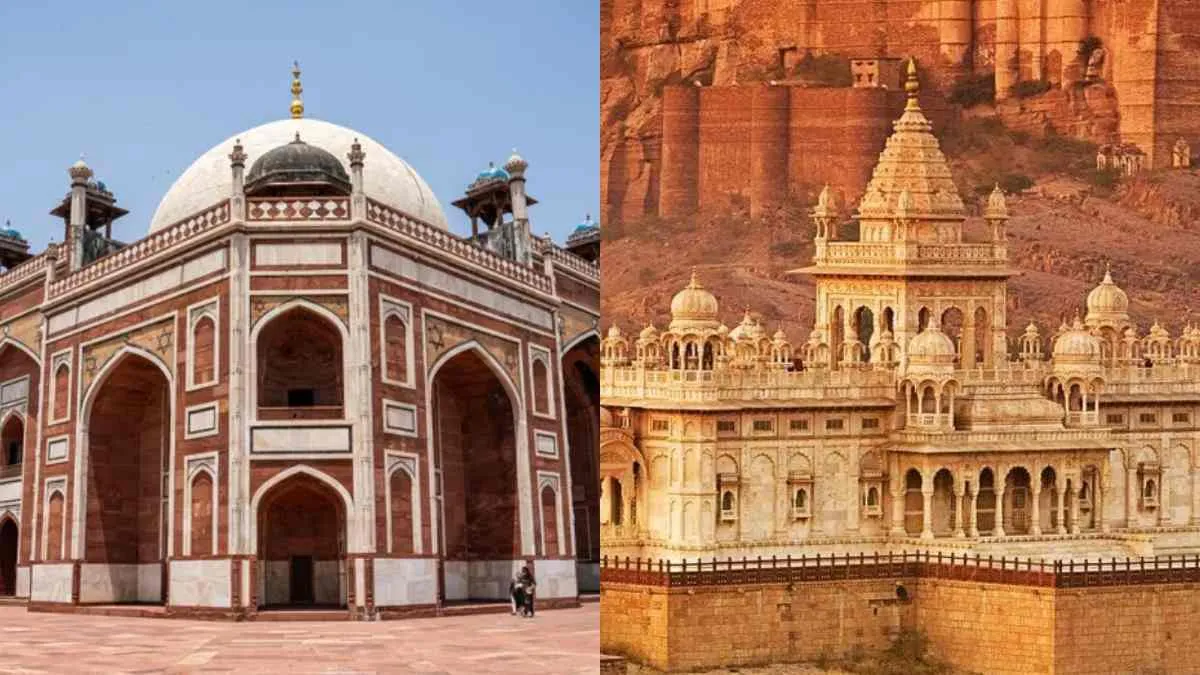
The history of India contains an abundant of incredible structures created by rulers throughout India, all of whom influenced the culture of India through strong leadership, vision, and artistic talent. From extensive forts and palaces, to elaborately detailed temples and impressive burial sites; all of the monuments exhibit superior engineering and architectural ability, in addition to that all of the structures represent the religion, society, and culture of when they were constructed.
Each of the structures carry the story of the creator, a king or queen, who intended to be remembered by future generations of Indians. These creators still provide inspiration for the millions of tourists that visit the structures each year. By learning about the history behind each of these kings, we can better appreciate the craftsmanship, creativity, and rich history associated with the heritage of India.
Check Out: List of Top 6 Longest Ruling Kings in World History
Top 7 Kings Who Built Famous Monuments in India
Here are the top 7 kings who built famous monuments in India along with their place and date they were built in:
| Rank | King / Ruler | Monument | Place | Date / Period |
| 1 | Shah Jahan | Taj Mahal | Agra, Uttar Pradesh | 1632-1653 |
| 2 | Raja Raja Chola I | Brihadeeswarar Temple | Thanjavur, Tamil Nadu | 1010 CE |
| 3 | Akbar | Agra Fort | Agra, Uttar Pradesh | 1565-1573 |
| 4 | Akbar | Fatehpur Sikri | Fatehpur Sikri, Uttar Pradesh | 1571-1585 |
| 5 | Maharaja Sawai Jai Singh II | Jantar Mantar | Jaipur, Rajasthan | 1727-1734 |
| 6 | Mughal Emperor Humayun | Humayun’s Tomb | Delhi | 1565-1572 |
| 7 | Raja Man Singh I | Amer Fort | Jaipur, Rajasthan | 1592-1600 |
1. Taj Mahal - Shah Jahan

The Taj Mahal in Agra is the most recognized and well-known creation of the Mughal emperor, Shah Jahan. In remembrance of his late wife, Mumtaz Mahal, Shah Jahan ordered the construction of this remarkable white marble mausoleum, which was named one of the Seven Wonders of the World.
The remarkable beauty of the Taj Mahal illustrates the height of Mughal architecture and is still an enduring symbol of true love.
2. Brihadeeswarar Temple - Raja Raja Chola I

Around the 11th century CE, Raja Raja Chola I of the Chola dynasty created the impressive Brihadeeswarar Temple, located in Thanjavur, India. Dedicated to Lord Shiva, this large temple showcases the incredible Dravidian style of architecture.
In 1987, the Brihadeeswarar Temple was designated as a UNESCO World Heritage Site due to its unique design and many intricate sculptures.
3. Fatehpur Sikri and Agra Fort - Akbar
The Mughal emperor Akbar is recognised for his contributions to architecture, especially Agra Fort and Fatehpur Sikri. These important monuments represent the unique fusion of Islamic, Hindu and Persian styles of architecture and are very indicative of Akbar's belief in a powerful and united empire.
In addition to being the Mughal capital for several decades, Fatehpur Sikri is now a UNESCO World Heritage Site.
4. Maharaja Sawai Jai Singh II - Jantar Mantar
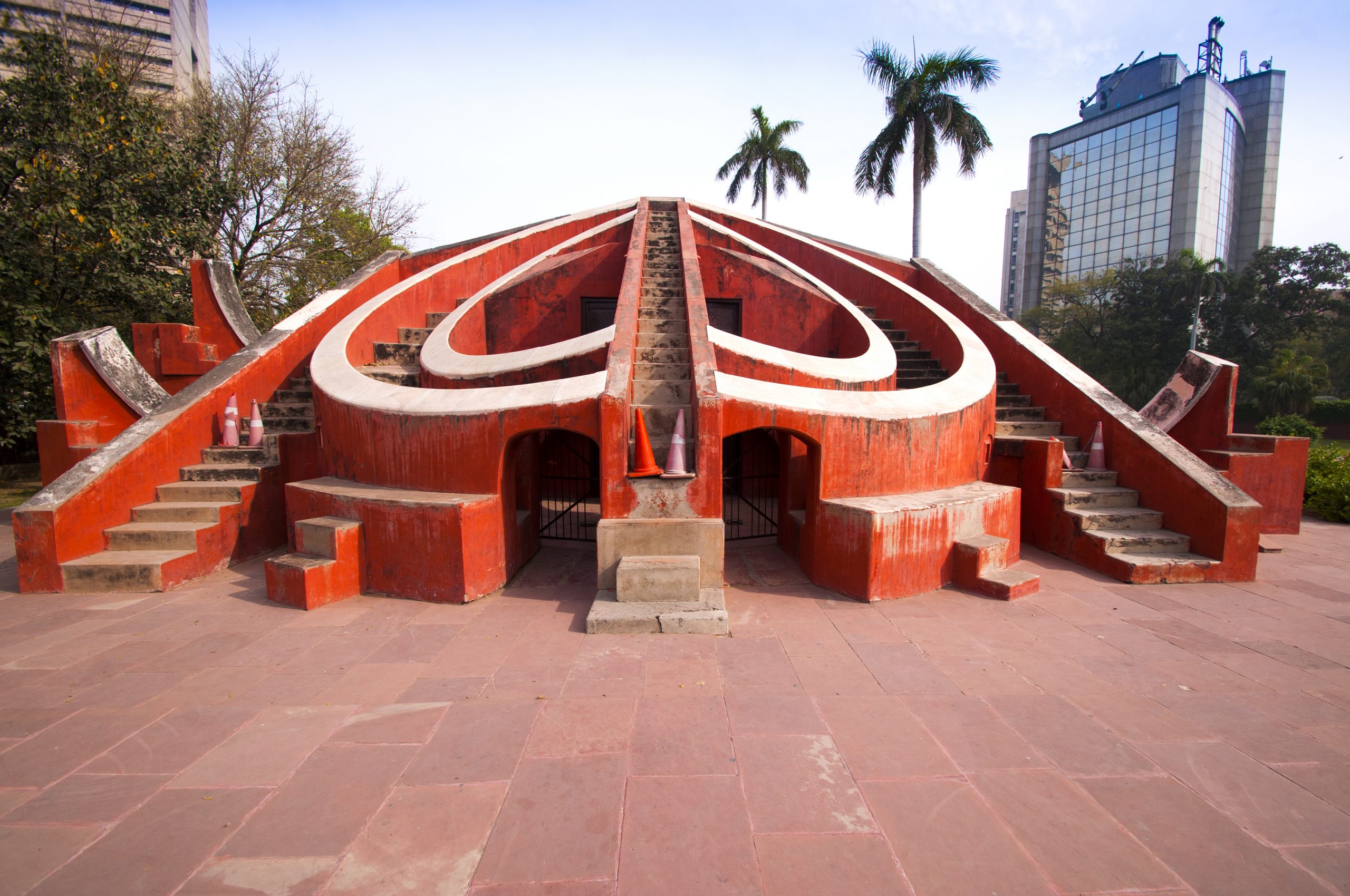
In the 18th century, Jaipur Maharaja Sawai Jai Singh II built the Jantar Mantar Observatory in Jaipur. The Observatory is home to 19 instruments specifically designed for correctly recording the celestial coordinates of heavenly bodies.
It serves as proof of India's advanced knowledge of astronomy in that era and has been designated a UNESCO World Heritage Site.
5. Raja Hammir Dev Chauhan - Hansi Fort
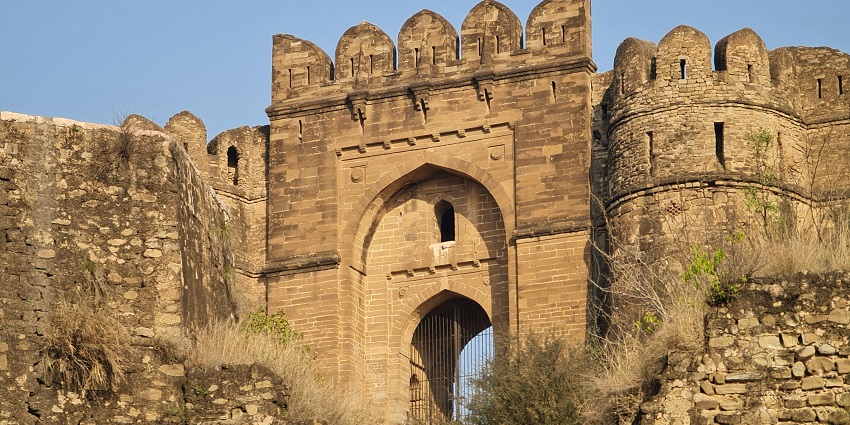
Ruler of the Chauhan Dynasty, Raja Hammir Dev Chauhan established Hansi Fort in modern-day Haryana. Hansi Fort functioned as both an authority for military matters and administration.
There remains nothing else like Hansi Fort as evidence of how the people of India built their defensive structures in medieval times and developed multiple strategies while defending their kingdoms and territories.
Conclusion
The monuments created by these kings are a reflection of India's eternal heritage. They are representative of architectural magnificence, cultural ideals and beliefs, and dedication towards creativity; inspiring awe among future generations by illuminating the timeline of great power, artistry, and service to mankind.




Comments
All Comments (0)
Join the conversation