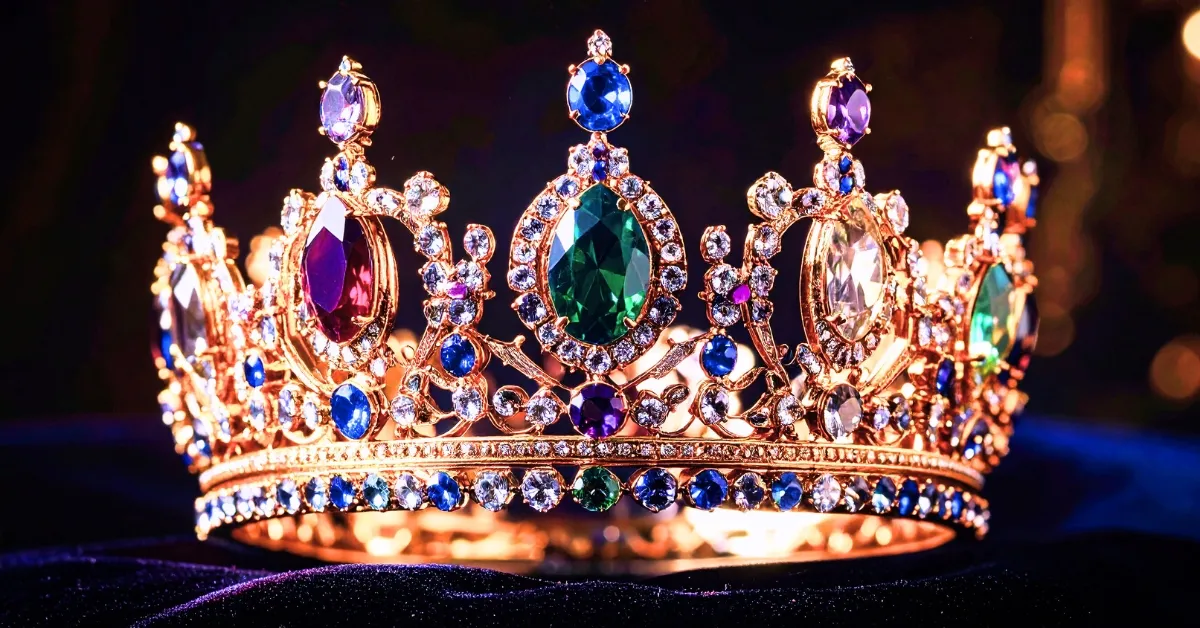
The world is a magnificent canvas, bursting with an infinite spectrum of colours. Colours are not just science, but they also carry deep cultural meanings and famous nicknames. For instance, Red is widely known as the colour of passion and warning. Green is always linked to nature and growth. Every single colour has a special meaning it is famous for. Now, think about history, wealth, and power. Do you know which single colour is officially known as the "Colour of Royalty? This shade has a long history tied directly to ancient kings and emperors. Here are a couple of slight hints: This pigment was once considered more valuable than gold. It was complicated to produce, often needing thousands of tiny sea creatures to make a small amount of dye. In this article, we will take a deep look at the fascinating story behind this supreme shade.
Which Colour is known as the Colour of Royalty?
The colour known as the "Colour of Royalty" is Purple. Its association with elite status dates back to ancient times, primarily due to the astronomical cost of its dye. The famous Tyrian Purple pigment was extracted from thousands of tiny Murex sea snails found in the Mediterranean.

This labour-intensive and expensive process meant that only the wealthiest people, who included monarchs and emperors, could afford to wear it. In the Roman Empire, sumptuary laws were even created, making it illegal for ordinary citizens to wear purple, cementing its status as a symbol of imperial power, wealth, and authority that continues to this day.
10+ Lesser-Known Facts About Purple
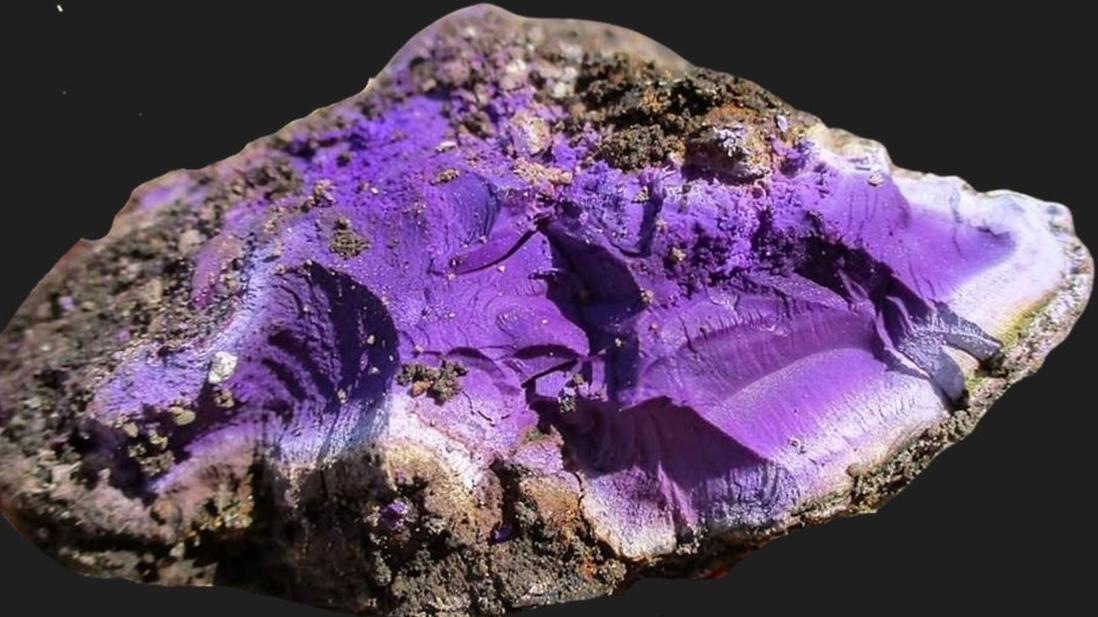
- The original Tyrian Purple dye came from the mucus gland of a marine mollusc.
- The cost of the dye once exceeded its weight in gold.
- The process of making the dye was notoriously foul-smelling.
- Some Roman Emperors, like Nero, issued laws punishing citizens with death for wearing purple.
- This famous phrase refers to children born into the Byzantine imperial family in a special purple-lined chamber (porphyra).
- Tyrian purple fabric was unique because its colour supposedly grew richer and more brilliant as it aged, instead of fading.
- The first synthetic dye, Mauve (a shade of purple), was accidentally discovered in 1856 by an 18-year-old chemist seeking a cure for malaria.
- Purple represents Advent and Lent in the Catholic Church, symbolising penance and preparation.
- Purple is one of the rarest colours on national flags, with only a few nations (such as Dominica and Nicaragua) using it.
- In colour psychology, purple is often linked to wisdom, spirituality, and imagination.
- In the Ming Dynasty, 'zi' (purple) was one of the three colours reserved exclusively for Imperial dress.
Why is Purple Considered the Colour of Royalty?

The colour Purple is linked to royalty not by accident, but by a powerful combination of scarcity, chemistry, and law.
- The Science of Rarity: The prized colour came from Tyrian Purple, a dye extracted from the mucus gland of thousands of Murex sea snails. Its chemical name is 6,6′-dibromoindigo. This structure, which includes two bromine atoms, gives it its deep, non-fading colour.
- Costlier than Gold: Producing just one gram of the pure dye required crushing up to 12,000 molluscs. This intense labour and low yield made the dye astronomically expensive, often worth more than its weight in gold.
- Imperial Monopoly: The high cost meant only emperors and the elite could afford it. In the Roman and Byzantine Empires, strict Sumptuary Laws banned ordinary citizens from wearing purple. Violations could even lead to the death penalty, making the colour a direct symbol of supreme, uncontested authority.
- The "Porphyry" Chamber: A lesser-known fact is the Byzantine tradition of the Porphyry (purple stone) birth chamber in the Great Palace of Constantinople. Children born there were literally "born to the purple" (Porphyrogenitos), establishing their divine right to rule from birth.





-1765782434462.jpg)
Comments
All Comments (0)
Join the conversation