What is the Scientific Name of a Wolf?
The scientific name of the wolf reveals a complex lineage of apex predators. While many recognize the iconic gray wolf, being aware of the various species of wolf and their conservation status is vital for biodiversity awareness in 2025.
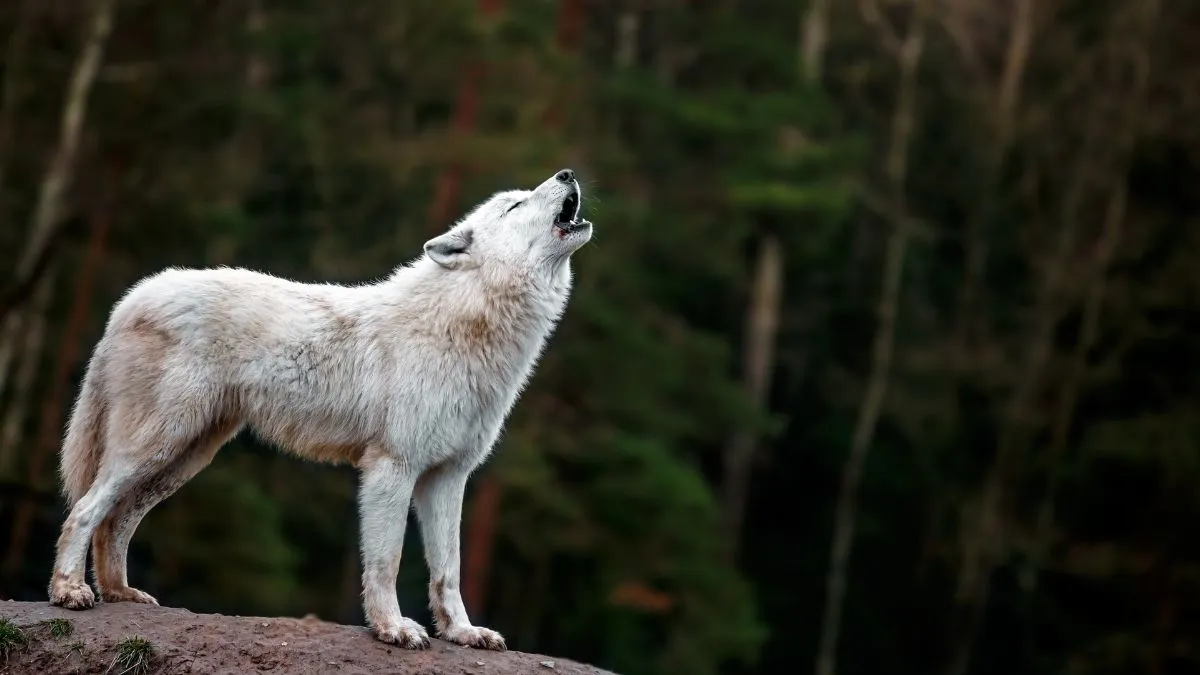
Key Points
- In 2025, global gray wolf population is estimated at 200,000-250,000, stabilizing in some regions.
- Canis lupus is the scientific name for the Gray Wolf; Canis lupus familiaris for domestic dogs.
- Red Wolves are critically endangered; fewer than 25 remain in the wild as of 1980.
Scientific name of wolf: Wolves have captivated human imagination for millennia by appearing in folklore as both guardians and villains. However, beyond the myths lies a sophisticated biological order.
As of 2025, wildlife biologists estimate that roughly 200,000 to 250,000 gray wolves remain in the wild globally, with populations stabilizing in parts of Europe and North America. This is all thanks to the strict conservation efforts to preserve their species in both regions.
While we talk about the scientific name for wolf populations, we look beyond their common name. Their botanical name becomes a part of the genus Canis, a group within the Kingdom Animalia that includes dogs and coyotes.
This article talks about the different types of wolves and interesting facts like a wolf's size compared to a human in detail, for a better understanding of these majestic predator species.
What is the Scientific Name of the wolf?
The scientific name for a wolf is Canis lupus. Interestingly, this name comes from Latin, where the word Canis means dog and lupus means wolf. In the taxonomic hierarchy, they belong to the family Canidae.
While all domestic dogs are technically a subspecies known as Canis lupus familiaris, the term Canis lupus specifically identifies the wild, lean, and highly social apex predators that roam the Northern Hemisphere.
Do You Know - What is the Scientific Name of a Dog? Check its Breeds and Interesting Facts
Common Species of Wolf and Their Scientific Names
An understanding of the wolf species is directly synonymous with being aware of their different geographical subspecies. While Gray Wolf is one of the umbrella terms for many, several distinct types exist across the globe.

The following table throws light on the most prominent members of the wolf family, their habitats, and their current conservation standing according to the IUCN Red List.
| S.No. | Common Name | Scientific Name | Primary Habitat | Status |
| 1 | Gray Wolf | Canis lupus | North America, Eurasia | Least Concern |
| 2 | Red Wolf | Canis rufus | Southeastern USA | Critically Endangered |
| 3 | Ethiopian Wolf | Canis simensis | Ethiopian Highlands | Endangered |
| 4 | Arctic Wolf | Canis lupus arctos | Arctic Regions | Least Concern |
| 5 | Indian Wolf | Canis lupus pallipes | Indian Subcontinent | Endangered/Vulnerable |

Find Out - What is the Scientific Name of a Fox?
What is the Rarest Type of Wolf?
The title for the rarest type of wolf belongs to none other than the Red Wolf, a native of the Southeastern United States. This species was long declared extinct in the wild by 1980. But thanks to intensive captive breeding and reintroduction programs in North Carolina, a small wild population of red wolf are alive today. However, it is estimated that the number stands at fewer than 20 to 25 individuals.

Red wolf
Another incredibly rare species is the Ethiopian Wolf. Unlike their cousins, they do not hunt in large packs for big game; instead, they are solitary hunters of rodents in the Afro-alpine meadows. With fewer than 500 left in the world, they are currently threatened by habitat loss and diseases like rabies.

Ethiopian wolf
Wolf Size Compared to Human
To visualize the scale of these animals, consider the wolf's size compared to human proportions. An average adult Gray Wolf stands about 26 to 32 inches at the shoulder.
When standing on its hind legs, a large male can reach over 5.5 to 6 feet, nearly the height of an average adult man.
While they appear similar to large Huskies, their bone structure is much heavier, and their paws are roughly the size of a human hand to help them navigate deep snow.
Also Read - What is the Scientific Name of a Butterfly?
In a nutshell, the scientific name of the wolf species is the very first step in appreciating their role as a keystone species in our ecosystem. Recent 2025 census data suggest that wolf populations in the Western United States are showing remarkable resilience despite shifting legal protections. Protecting these Canis lupus populations remains essential for maintaining the natural balance of our wilderness.

Harshita Singh is an education and general knowledge journalist with over 5 years of experience in educational writing. Specializing in US affairs and GK, Harshita has a track record of breaking down intricate geopolitical and historical subjects into clear, digestible insights for learners. Her strong background in text analysis, coupled with a Bachelor of Arts (Hons) in English from the University of Delhi, helps her produce authoritative, thoroughly researched content that empowers readers to engage confidently with global current affairs. For inquiries or academic insights, you can reach out to her directly at harshita.singh@jagrannewmedia.com.




![NIOS Hall Ticket 2026 [OUT] LIVE: Download Class 10th, 12th October Theory Admit Card at sdmis.nios.ac.in, Direct link here](https://img.jagranjosh.com/images/2026/October/16102026/NIOS-Hall-Ticket-2026.jpg)
![[OUT] UPSSSC PET Admit Card 2026 LIVE: यूपी पीईटी एडमिट कार्ड जारी, upsssc.gov.in पर Direct Link](https://img.jagranjosh.com/images/2026/October/15102026/UPSSSC-PET-Admit-Card-2026.jpg)