Which Fruit Is Called the King of Fruits?
Mango is known as the King of Fruits because of its rich taste, nutritional value, cultural importance and status as the national fruit of India.
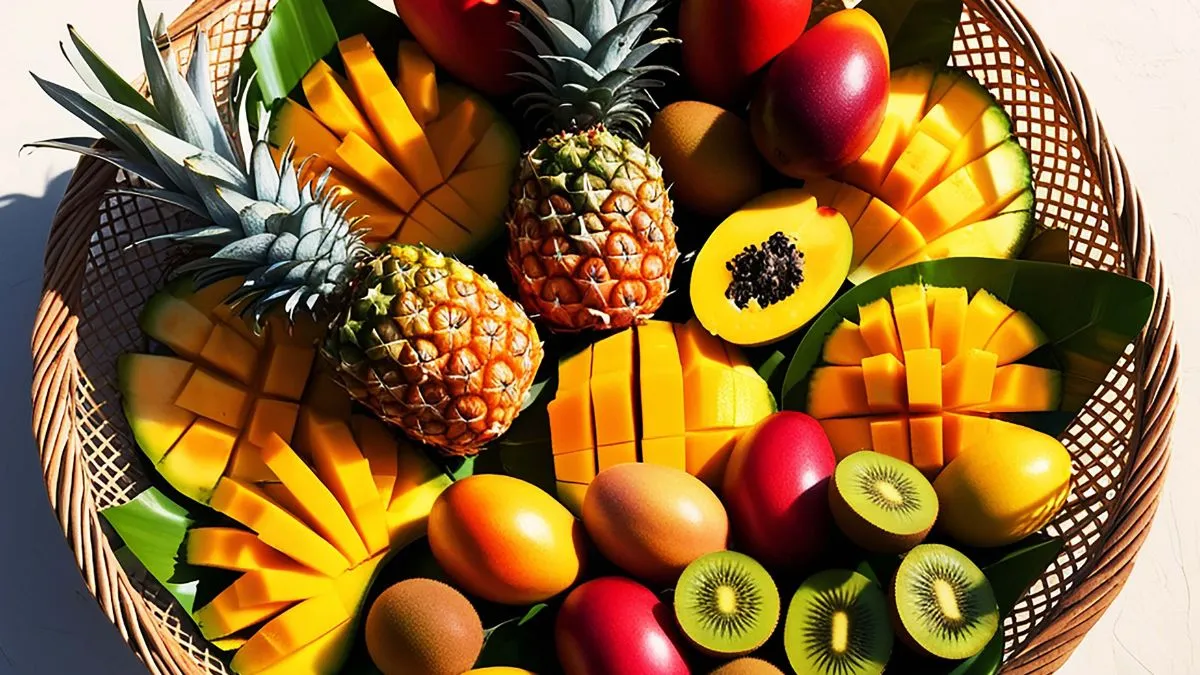
King of Fruits: Mango is called the King of Fruits because of its exceptional taste, rich aroma, high nutritional value, cultural importance and unmatched popularity. Loved across age groups and regions, mango holds a royal status among fruits in India and around the world.
Why Is Mango Called the King of Fruits?
Mango earns this title due to its perfect balance of sweetness, flavour, and texture. It can be enjoyed in countless forms, fresh, ripe, raw or processed, making it one of the most versatile fruits. Its long history, widespread cultivation and emotional connection with people further strengthen its position as the King of Fruits.

Origin and History of Mango
Mango originated in the Indian subcontinent more than 4,000 years ago. Ancient Indian scriptures, Buddhist texts, and Mughal gardens mention mango as a symbol of love, prosperity, and abundance. From India, mango spread to Southeast Asia, the Middle East, Africa and later to Europe and the Americas.
Nutritional Value of Mango
Mango is packed with vitamins A, C, and E, antioxidants, and dietary fibre. It helps boost immunity, improve digestion, enhance eye health and support skin health. Mango also provides natural energy, making it both a delicious and nutritious fruit.
National Fruit of India
Mango is the national fruit of India, symbolising the country’s rich agricultural heritage and cultural diversity. Its selection as the national fruit reflects its deep-rooted importance in Indian traditions, festivals, cuisine, and rural economy.
Read more: Which Fish Is Known as the King of Fishes?

Largest Producer of Mango in the World
India is the largest producer of mango in the world, contributing more than half of the global mango output. The country’s tropical and subtropical climate, combined with centuries of cultivation expertise, supports large-scale mango production.
Read more: Which Country is the Largest Producer of Mango in the World? Check List Here
Largest Producer of Mango in India
Uttar Pradesh is the largest mango-producing state in India, followed by Andhra Pradesh, Telangana, Karnataka, Bihar, and Maharashtra. Popular Indian mango varieties include Alphonso, Dasheri, Langra, Kesar, Banganapalli, Totapuri, and Himsagar, each known for its unique taste and aroma.
Mango Exports and Global Demand
India exports fresh mangoes and mango products such as pulp, juice, and pickles to many countries. Indian mangoes are highly valued internationally for their flavour and quality, contributing significantly to agricultural exports and foreign exchange earnings.

Interesting Facts About Mango
National Pride of India
Mango is not only the national fruit but also a symbol of India’s agricultural richness and cultural identity, celebrated across regions and communities.
Thousands of Varieties
India grows over 1,000 varieties of mango, ranging from sweet and aromatic to mildly tangy, showcasing the country’s biodiversity.
Loved in Raw and Ripe Forms
Both raw and ripe mangoes are equally popular in Indian cuisine, used in chutneys, pickles, drinks, curries, and desserts.
Long Shelf Life in Processed Form
Processed mango products like pulp, dried slices, and pickles have a long shelf life, increasing their commercial and export value.
Read more: Which Fish Is Known as the King of Indian Rivers?
Mango is called the King of Fruits. Mango season is highly anticipated every year, and its arrival marks the peak of summer across India, driving high market demand. Keep reading for more such topics.

Jasreet Kaur is a journalist with over 3 years of experience in digital media and news content creation. She specializes in covering Trending News, including major National and International developments, with a focus on delivering accurate, engaging, and reader-friendly stories. Prior to this, she worked with Zee News as a Content Writer, where she gained extensive experience in news reporting and content strategy. Driven by curiosity, credibility, and a passion for impactful journalism, Jasreet aims to contribute to informed public discourse while supporting positive growth in organizations, society, and the world.


-1791272988528_t.webp)