List of Government PSUs in India
Public Sector Undertakings (PSUs) are central to India’s economic framework, driving progress in energy, industry, telecom, and finance. Divided into Maharatna, Navratna, and Miniratna categories, these enterprises ensure government participation in critical sectors while promoting industrial and social growth. Their contribution continues to be vital in shaping India’s sustainable development and economic stability.
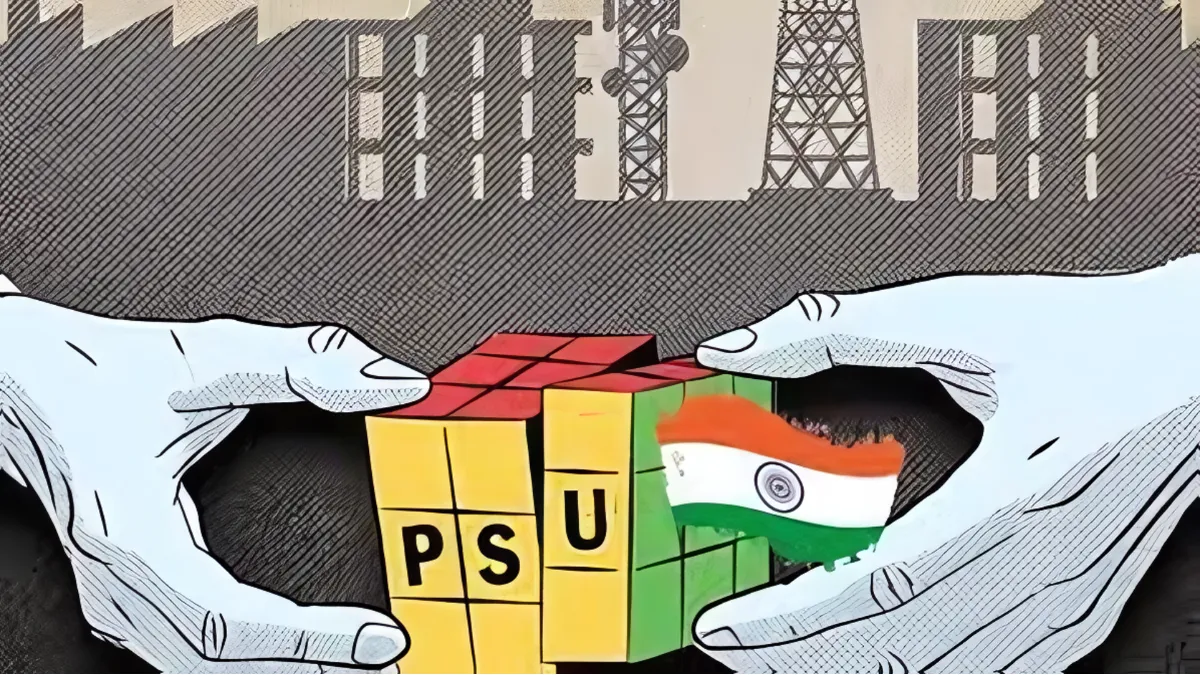
Public Sector Undertakings, or PSUs, are government-owned corporations in India that play a very important role in its economy. These enterprises operate in various strategic sectors such as energy, manufacturing, telecommunications, finance, and infrastructure. PSUs contribute towards employment, industrial development, and national growth while ensuring the government's presence in key industries.
They have been categorized into Maharatna, Navratna, and Miniratna based on their size, operational autonomy, and financial performance. Go through the following article for an updated and informative list of some of the key PSUs in India, along with their contributions, sector-wise.
Energy Sector PSUs
| PSU Name | Sector | Key Functions |
| Oil and Natural Gas Corporation (ONGC) | Oil & Gas Exploration | Exploration and production of crude oil and natural gas |
| Indian Oil Corporation (IOC) | Refining & Marketing | Refining, pipeline transportation, and marketing of petroleum products |
| Bharat Petroleum Corporation Ltd (BPCL) | Refining & Marketing | Refineries, marketing of petroleum products |
| National Thermal Power Corporation (NTPC) | Power Generation | Thermal power generation |
| Power Grid Corporation of India Ltd | Power Transmission | Transmission of bulk power |
| Gas Authority of India Ltd (GAIL) | Natural Gas Transmission | Natural gas transmission and marketing |
Manufacturing and Heavy Industries
| PSU Name | Sector | Key Functions |
| Steel Authority of India Limited (SAIL) | Steel Manufacturing | Production of steel and its products |
| Bharat Heavy Electricals Limited (BHEL) | Heavy Electrical Equipment | Manufacturing and servicing of power equipment |
| National Aluminium Company Limited (NALCO) | Aluminium Production | Mining, refining, smelting, and marketing of aluminium |
| Cement Corporation of India | Cement Manufacturing | Production and marketing of cement |
Telecommunications and IT
| PSU Name | Sector | Key Functions |
| Bharat Sanchar Nigam Limited (BSNL) | Telecommunications | Providing telecom services across India |
| Mahanagar Telephone Nigam Limited (MTNL) | Telecommunications | Telephone services in metros like Delhi and Mumbai |
| Electronics Corporation of India Ltd (ECIL) | Electronics & Defense | Development of electronics, defense products |
Financial Services
| PSU Name | Sector | Key Functions |
| Life Insurance Corporation of India (LIC) | Insurance | Life insurance services |
| State Bank of India (SBI) | Banking | Largest public sector bank |
| Punjab National Bank (PNB) | Banking | Commercial banking services |
| Export-Import Bank of India (EXIM Bank) | Financial Institution | Facilitate and finance exports and imports |
Infrastructure and Miscellaneous
| PSU Name | Sector | Key Functions |
| National Buildings Construction Corporation (NBCC) | Construction & Infrastructure Development | Urban infrastructure and housing projects |
| Hindustan Aeronautics Limited (HAL) | Aerospace & Defense | Aircraft manufacturing and maintenance |
| Food Corporation of India (FCI) | Food Security | Procurement, storage, and distribution of food grains |
Categories of PSUs in India
- Maharatna PSUs are the largest and profit-making PSUs with substantial operational autonomy. Examples include ONGC, IOC, NTPC, and SAIL.
- Navratna PSUs: Medium to large PSUs with a good deal of autonomy to compete in the market. Examples include BHEL, GAIL, HPCL.
Public Sector Undertakings form the backbone of India's industrial, economic, and social development. They drive growth in very important areas such as energy, manufacturing, telecommunications, finance, and infrastructure. The government, through these enterprises, has been able to ensure that strategic sectors remain under controlled development with social welfare objectives.
The combination of Maharatna, Navratna, and Miniratna companies brings about a structured and efficient way of approaching economic governance and industrial expansion. As India progresses, the role of PSUs remains vital in meeting national objectives and bringing in stability and growth across sectors.

Kirti Sharma is a journalist in the education domain with three and a half years of experience creating high-quality content for the education technology (EdTech) and digital media industries. She has an expertise in covering education news. Kirti has experience in writing data backed informational pieces on General knowledge.
Kirti holds a Bachelor of Arts degree, which helped build her strong foundation in writing and research. Over the course of her career, she has brought her skills to a variety of well-known companies, including ThoughtPartners Global, Infinite Group, and MIM-Essay. Through these roles, she has learned how to take complex information and turn it into engaging, easy-to-understand content for readers online.