List of Top 7 Largest Palaces in the World
Historical palatial super-complexes exemplify the power, prestige, and human achievement in architecture and cultural heritage. Serving as centers for residence and governance, these expansive facilities like the Forbidden City and Buckingham Palace demonstrate the limitless potential of creative expression and stand as a lasting legacy.
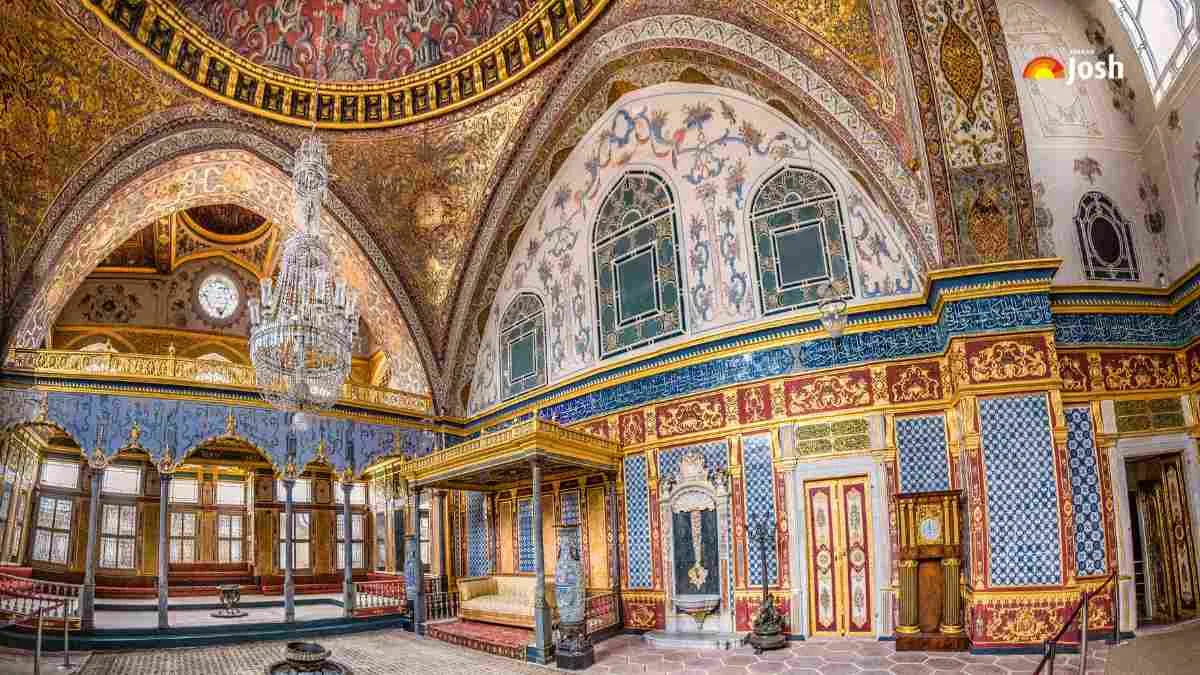
The ultimate palatial super-complexes in world history have represented not just the power, prestige and achievement of leadership within their given realm, but also an expression of human achievement through Architecture and Cultural Heritage.
Historically, these expansive facilities were constructed to serve as places of residence, as well as serving as the center for Governance, Ceremony and Authority. In many cases palatial complexes were built with multiple layers of scale , therefore resembling the form of a small City that included areas such as Halls, Courtyards, Gardens, Chapels, and Museums.
The extensive array of architectural styles from the former Chinese Emperors represented by the immense Forbidden City to the world's grandest Royal palaces in Europe demonstrate the limitless potential of creative expression that was possible in earlier periods, as well as the unique ambitions and cultural heritage of the Rulers of those times.
Check Out: List of Top 7 Largest Palaces in India
Top 7 Largest Palaces in the World
Here are the top 7 largest palaces in the world along with country name and approximate area:
| Rank | Palace Name | Country | Size (Approx. Area) |
|---|---|---|---|
| 1 | Forbidden City | China | 720,000 sq m |
| 2 | Istana Nurul Iman | Brunei | 215,000 sq m |
| 3 | Apostolic Palace | Vatican City | 162,000 sq m |
| 4 | Royal Palace of Madrid | Spain | 135,000 sq m |
| 5 | Buckingham Palace | United Kingdom | 77,000 sq m |
| 6 | Prague Castle | Czech Republic | 70,000 sq m |
| 7 | Palace of Versailles | France | 67,000 sq m |
1. Forbidden City, China

The world’s largest palace complex, The Forbidden City, is located in Beijing, China.
This structure covers approximately 720,000 square meters and was built during the 15th century to be the home of Chinese emperors for almost 500 years. Today, it is a UNESCO World Heritage Site.
2. Istana Nurul Iman, Brunei

The Istana Nurul Iman, Brunei's Royal Palace, is the world's largest residential palace with an area of approximately 215,000 square meters.
It serves as the home of the Sultan of Brunei and includes hundreds of rooms, several banquet halls, a mosque, and beautifully decorated interiors representing Islamic architecture.
3. Apostolic Palace, Vatican City
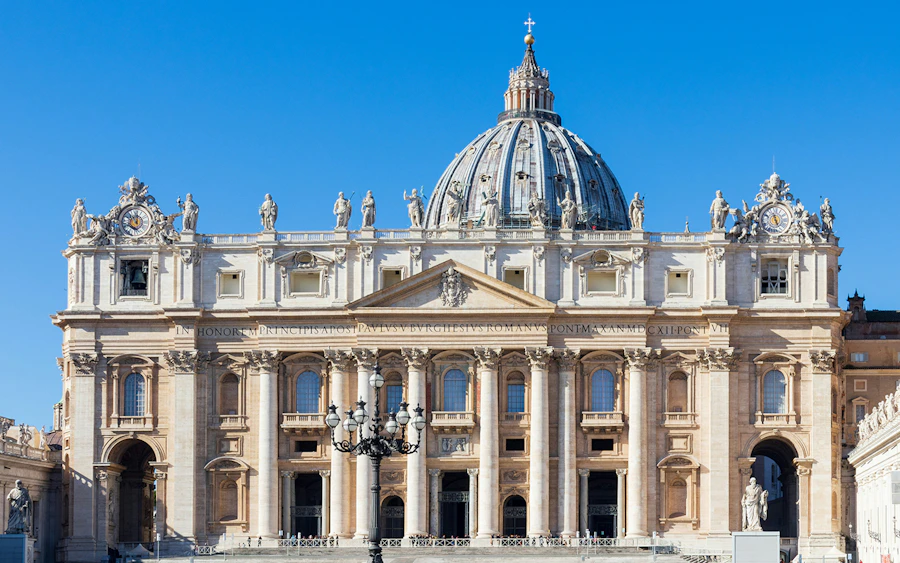
The Apostolic Palace in Vatican City has approximately 162,000 square meters of total area and it is the Pope's official residence.
It includes papal apartments, chapels, museums and other administrative offices. One of the most well-known aspects of this building is the Sistine Chapel, which is a prominent symbol for all Catholics.
4. Royal Palace of Madrid, Spain

In Spain, the Royal Palace of Madrid has an area of about 135,000 square meters. It is also Europe's largest active royal palace in terms of floor area.
The structure is designed in a Baroque style, with over 3,000 rooms, and is primarily used for hosting official ceremonies and state events.
5.Buckingham Palace
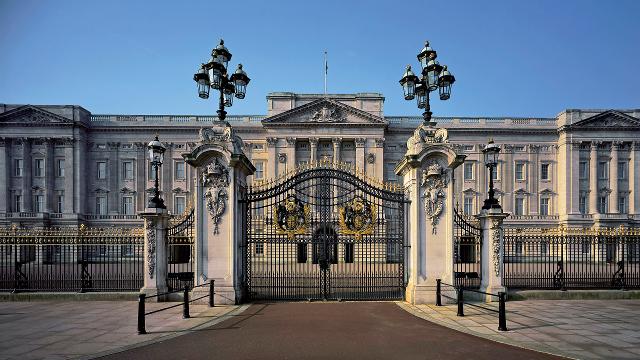
Buckingham Palace is the official London residence of the British monarch, located in the United Kingdom.
Buckingham Palace has an area of about 77,000 square metres and almost 775 rooms.
In addition, Buckingham Palace also serves as a major venue for the Royal Ceremonies, State Visits and National Celebrations.
Conclusion
These grand palaces by their size demonstrate the magnitude of Royal Power, the brilliance of Architectural Design and the Cultural Heritage shared by Nations throughout the ages and continue to stand as a lasting legacy of History, Governmental Authority, and Artistic Achievement.

Ayukta Zisha is an education journalist with over three years of experience in digital media. A graduate of St. Xavier’s College, she holds a Master’s degree in English along with a certification in Digital Marketing from IIT Delhi. Backed by a strong academic foundation in the humanities, she specializes in creating educational and general knowledge content across history, geography, literature, and current affairs. During her tenure at Jagran Josh, she worked extensively on U.S. news and global developments, curating informative and engaging content for a diverse readership. Her subject expertise and ability to simplify complex topics enable her to make complex information accessible to a wide audience. Beyond journalism, Ayukta is an avid reader and a published author.