Which Flower Is Known As The Morning Glory?
The Morning Glory is a beautiful climbing vine known for its trumpet-shaped flowers that bloom at sunrise and close by afternoon. A member of the Ipomoea genus, it thrives in warm climates, adorning fences with vibrant purple, blue, and pink hues while symbolising the fleeting beauty of a new day.
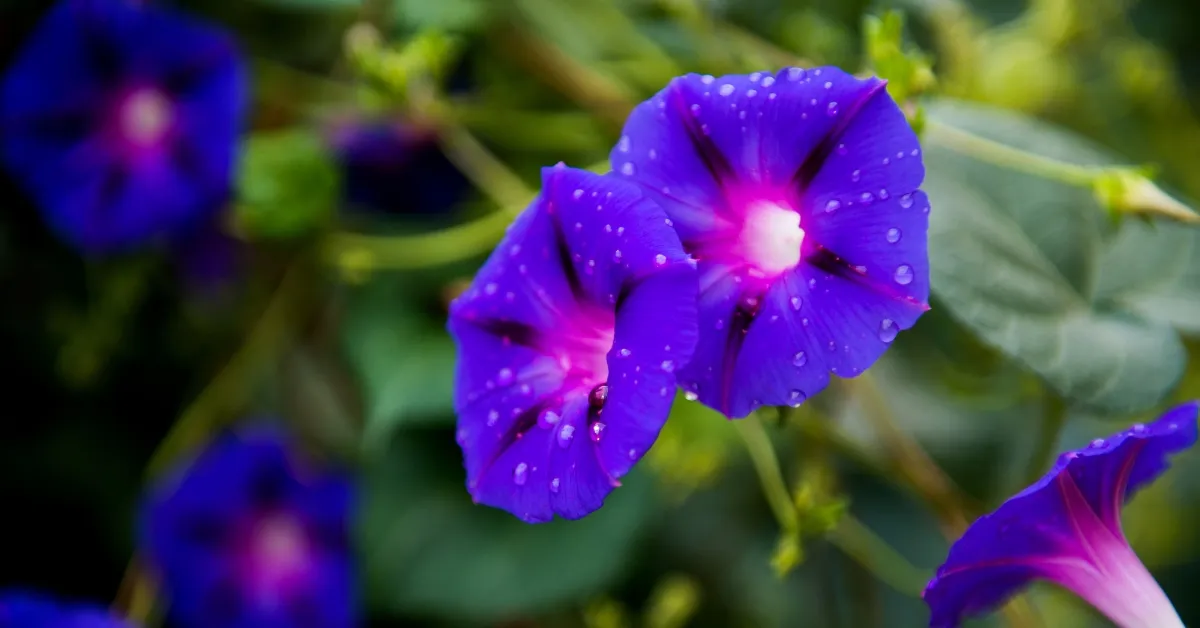
Our world is a giant garden filled with incredible colours and shapes. From the tiny blossoms in your backyard to the bright flowers in tropical jungles, nature is full of surprises. Scientists believe there are over 400,000 different types of flowers on Earth. Each flower has its own personality. For example, the Rose is often called the "Queen of Flowers" because it is so beautiful and smells sweet. Then there is the Sunflower, which many people call the "Happy Flower" because it looks like a big, yellow sun. But do you know which flower is famously called the Morning Glory? This special plant has soft, trumpet-shaped petals. Its most amazing secret is that it wakes up with the sun, blooming early in the morning and closing its petals before the day ends. In this article, we'll take a look at the history, colours, and unique habits of this beautiful climber.
ALSO READ| Which Flower is known as the Smiley Flower?
Which Flower Is Known As The Morning Glory?
:max_bytes(150000):strip_icc()/how-to-grow-morning-glories-4125567-01-4a87ac9a046945bf85c69b5fc85a4b2e.jpg)
The Ipomoea flower, known as the Morning Glory, belongs to a large family of plants called Convolvulaceae. These beautiful vines are found all over the world, but they love warm, sunny places like Mexico and Central America. They are excellent climbers, using their "twining" stems to wrap around fences and poles to reach for the sky. Additionally, this beautiful flower is known for its defining physical characteristic: a trumpet-shaped flower that often comes in vibrant shades of blue, purple, pink, and white. It is called the Morning Glory because its flowers open (or glory) early in the morning, greeting the sun, and usually close up by the afternoon. This behaviour is a form of nyctinasty, a movement response to the daily cycle of light and darkness.
10+ Lesser-Known Facts About the Morning Glory
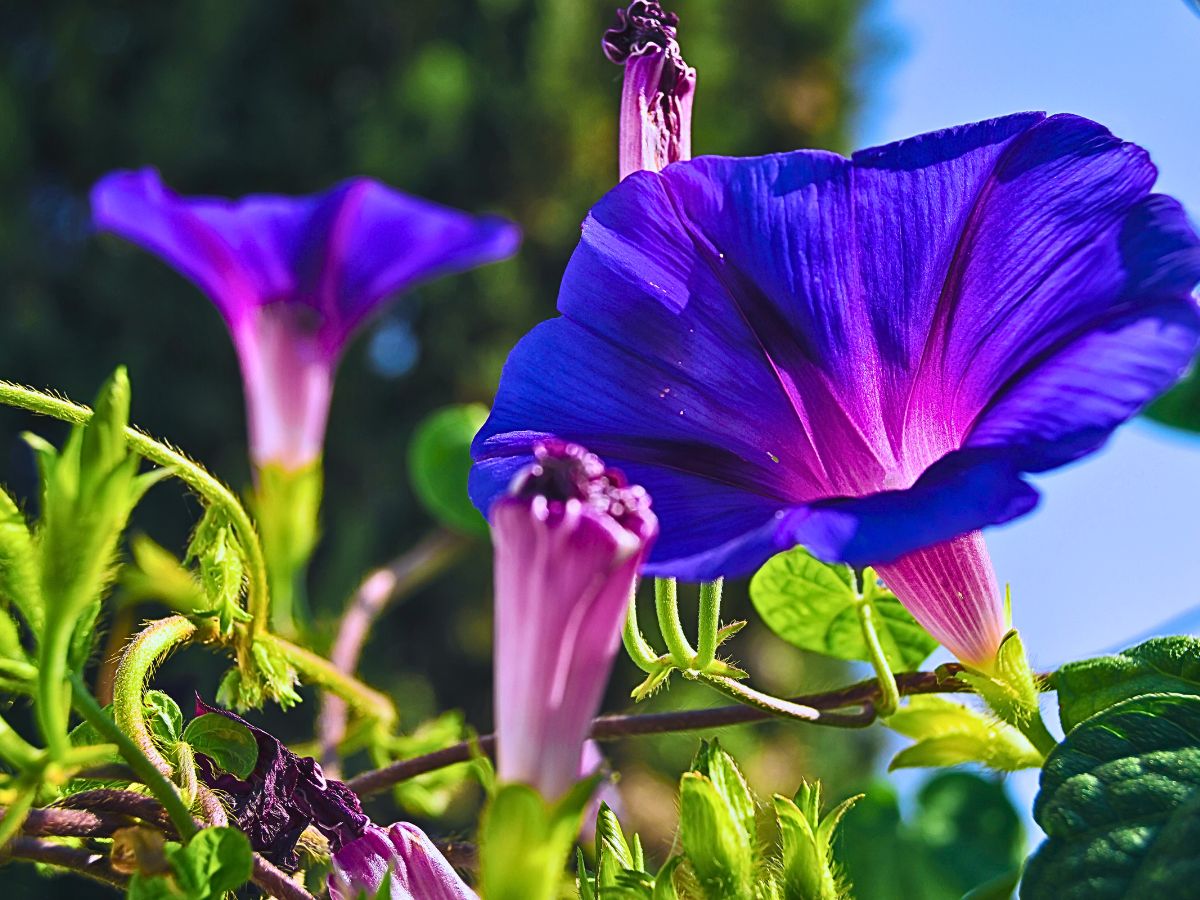
- In many traditional cultures, certain Morning Glory seeds were used as an ingredient in herbal medicines.
- Its scientific name, Ipomoea, comes from the Greek words ips (a worm) and homoios (resembling), referring to its twining, vine-like growth.
- The vines are famous for being very fast growers, often covering fences and trellises quickly, making them popular for quick garden coverage.
- The flower's brief blooming time is a strategy to protect its nectar from insects that are active later in the day, while focusing on early-morning pollinators.
- A very famous, edible relative of the Morning Glory is the Sweet Potato (Ipomoea batatas).
- While the plant is beautiful, the seeds of common varieties (such as Ipomoea purpurea) are toxic to humans and pets if consumed.
- Some Morning Glory flowers, especially blue varieties, can change colour from blue to reddish-purple as the day goes on due to shifts in the flower's pH.
- The Moonflower (Ipomoea alba) is a close cousin that does the opposite: it opens only at night and closes in the morning.
- Once planted, Morning Glories are prolific self-seeders, often coming back year after year without replanting.
- In some regions, its vigorous growth can lead to classification as an invasive weed, as it can easily outcompete native plants.
IN CASE YOU MISSED| Which Flower Is Known As The Moonflower?
What Is The Indian Name For The Morning Glory Flower?

In India, the Morning Glory is known by several names depending on the region. In Hindi, it is commonly called "Kaladana" (meaning black seed) or sometimes "Jharmaric". In South India, it has beautiful names like "Gouri Beeja" in Kannada and "Thaliyari" in Malayalam. Because it looks like a bell or a trumpet, some local gardeners simply call it the "Ganti Phool" (Bell Flower). Generally, it is called Vishnukranti (Sanskrit), Kalanjani (Sanskrit), and Kakkattan (Tamil) for specific varieties, reflecting its widespread use and regional variations.
What Is Morning Glory Also Called?

Aside from its most famous name, this flower has many nicknames. It is often called the "Trumpet Flower" because of its wide, funnel-like shape. Some people call it the "Binding Vine" or "Bindweed" because the stems wrap tightly around anything they touch. In Japan, where the flower is very popular, it is called "Asagao", which literally translates to "Morning Face". In some regions, specific blue varieties are also known as the "Blue Dawn Flower".
FOR YOU| Which Flower Is Known As The Herb Of The Sun?
Why Are They Called Morning Glory Flowers?
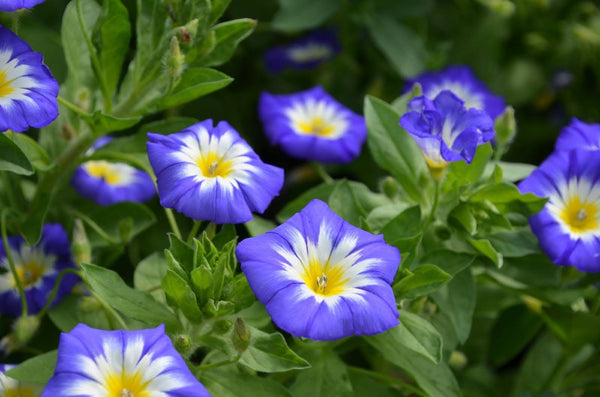
The name is all about their daily routine. These flowers are famous for being "early risers." They typically bloom in the early morning hours as soon as the sun hits them. This morning's display is their "glory" moment. However, their beauty is short-lived; by afternoon, the petals usually curl and fade. Because they repeat this beautiful waking process every single day with new buds, people began calling them "Morning Glories."
What Is The Second Name Of Morning Glory?
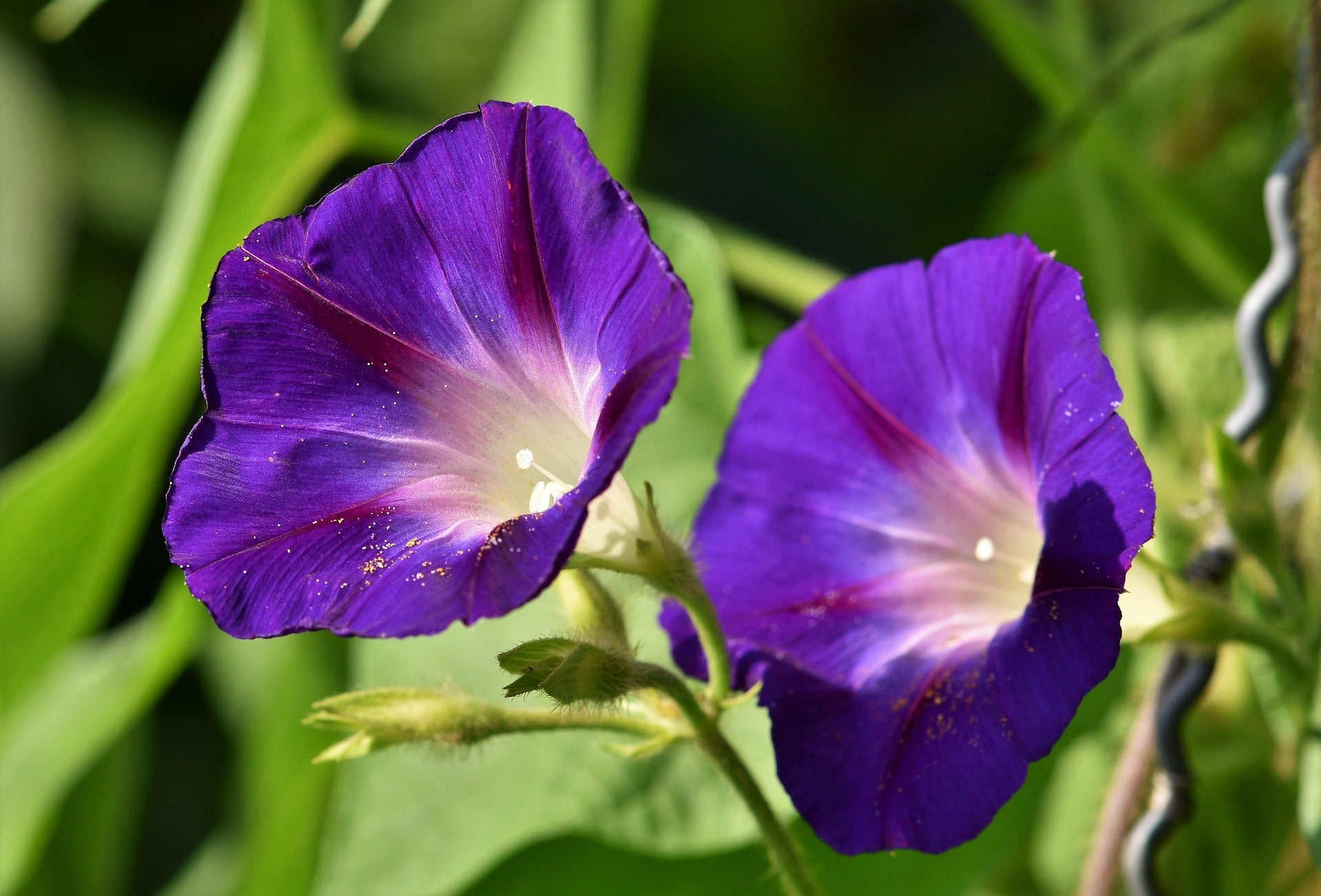
The scientific name of Morning Glory is Ipomoea, used by experts worldwide. The word "Ipomoea" comes from Greek words meaning "worm-like", which describes how the vine twists and crawls up fences just like a worm moves. Another common "second name" used by gardeners is "Common Morning Glory" (specifically for the species Ipomoea purpurea) to distinguish it from its cousins, such as the sweet potato.
WHAT'S NEXT| Which Flower Is Known As The Flame Of The Forest?

Kriti Barua is a skilled digital journalist and communications professional with 4+ years of experience, currently writing for the General Knowledge section at Jagran New Media. She has established herself as a subject matter expert in History, Geography, Trending National and International News, Sports, Science, and Defence, producing clear, reliable, and search-optimised content that connects with readers worldwide.
Kriti holds a BA degree from Delhi University and a one-year diploma in TV Production and Journalism, an academic background that adds research depth and strong storytelling instincts to her writing. Her experience spans brand writing, content marketing, and digital media, giving her a sharp understanding of what makes content both helpful to readers and visible in search.
At Jagran New Media, she applies this expertise to national and international news coverage, query-based articles, and in-depth pieces across her specialist subject areas. Her content is defined by easy language, factual accuracy, strong keyword strategy, and reader-friendly storytelling.







![[Link Active] RRB NTPC UG CBT 2 Answer Key 2026 LIVE: Download CEN 07/2025 Response Sheet PDF](https://img.jagranjosh.com/images/2026/September/2492026/RRB-NTPC-UG-CBT-2-Answer-Key-2026.jpg)