List of Top 6 Largest Plateaus in India
India's high plateaus, like the vast Deccan and mineral-rich Chota Nagpur, are key geographic features. They influence climate, resources, and agriculture across states like Maharashtra, Madhya Pradesh, and Meghalaya. Understanding these unique regions is vital for general knowledge and competitive exams.
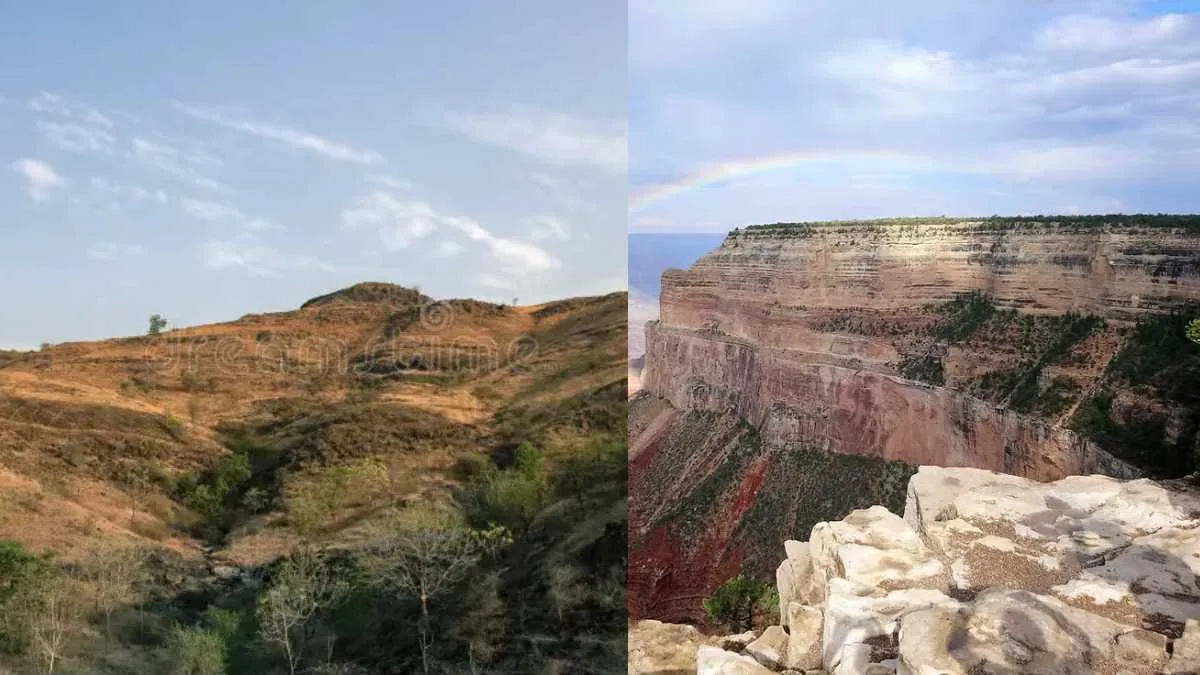
India has many different geographic features including mountains, plains, deserts, and high plateaus. High plateaus are defined as large, generally flat areas of land that are higher in elevation than the surrounding areas of the country. Many of India's higher plateaus are found throughout the country and represent a large portion of India's overall area and contain a wide variety of economic, geographic, climatic, and geological features and influences such as the river system, soil type, agriculture, and Minerals and resources. These plateaus are among the largest regions in India and have unique characteristics, geographic features, topography, and potential natural wealth.
Some high plateaus have an abundance of minerals, while others provide fertile land for crop farming; still others have strikingly beautiful landscapes. Understanding India's most prominent high plateaus is beneficial for all students preparing for competitive examinations, quizzes & general knowledge (GK) tests, because they represent common topics in competitive exams, including where each plateau is located within the country, how large it is, its significance to the state's economy and geography.
Check Out: List of Top 10 Largest Artificial Islands in the World
Top 6 Largest Plateaus in India
Here are the top 6 largest plateaus in India along with the major states covered and their significance based on the list by Ministry of Education:
| Rank | Plateau Name | Major States Covered | Significance |
| 1 | Deccan Plateau | Maharashtra, Karnataka, Telangana, Andhra Pradesh, Tamil Nadu, Madhya Pradesh | Largest plateau in India |
| 2 | Malwa Plateau | Madhya Pradesh, Rajasthan | Largest plateaus of central India |
| 3 | Chota Nagpur Plateau | Jharkhand, Odisha, Chhattisgarh, West Bengal, Bihar | Major mineral plateau |
| 4 | Bundelkhand Plateau | Uttar Pradesh, Madhya Pradesh | Large but smaller than Malwa & Chota Nagpur |
| 5 | Telangana Plateau | Telangana, Andhra Pradesh | Part of Deccan Plateau |
| 6 | Shillong Plateau | Meghalaya | Smallest among major plateaus |
1. Deccan Plateau
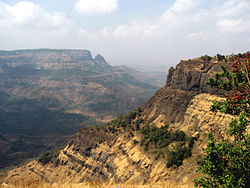
The Deccan Plateau is the largest plateau in India, occupying much of southern India. It is bordered by the Western and Eastern Ghats. The plateau was formed by volcanic activity and is comprised primarily of black soil, which is rich in minerals. Many significant rivers begin their journey from this plateau.
2. Malwa Plateau

The Malwa Plateau is found primarily in the western sections of Madhya Pradesh and parts of Rajasthan. Major rivers draining the Malwa Plateau include the Chambal and the Betwa. Black soil is one of the distinguishing characteristics of the Malwa Plateau, making it suitable for growing crops such as wheat, soybeans and pulses.
3. Chota Nagpur Plateau
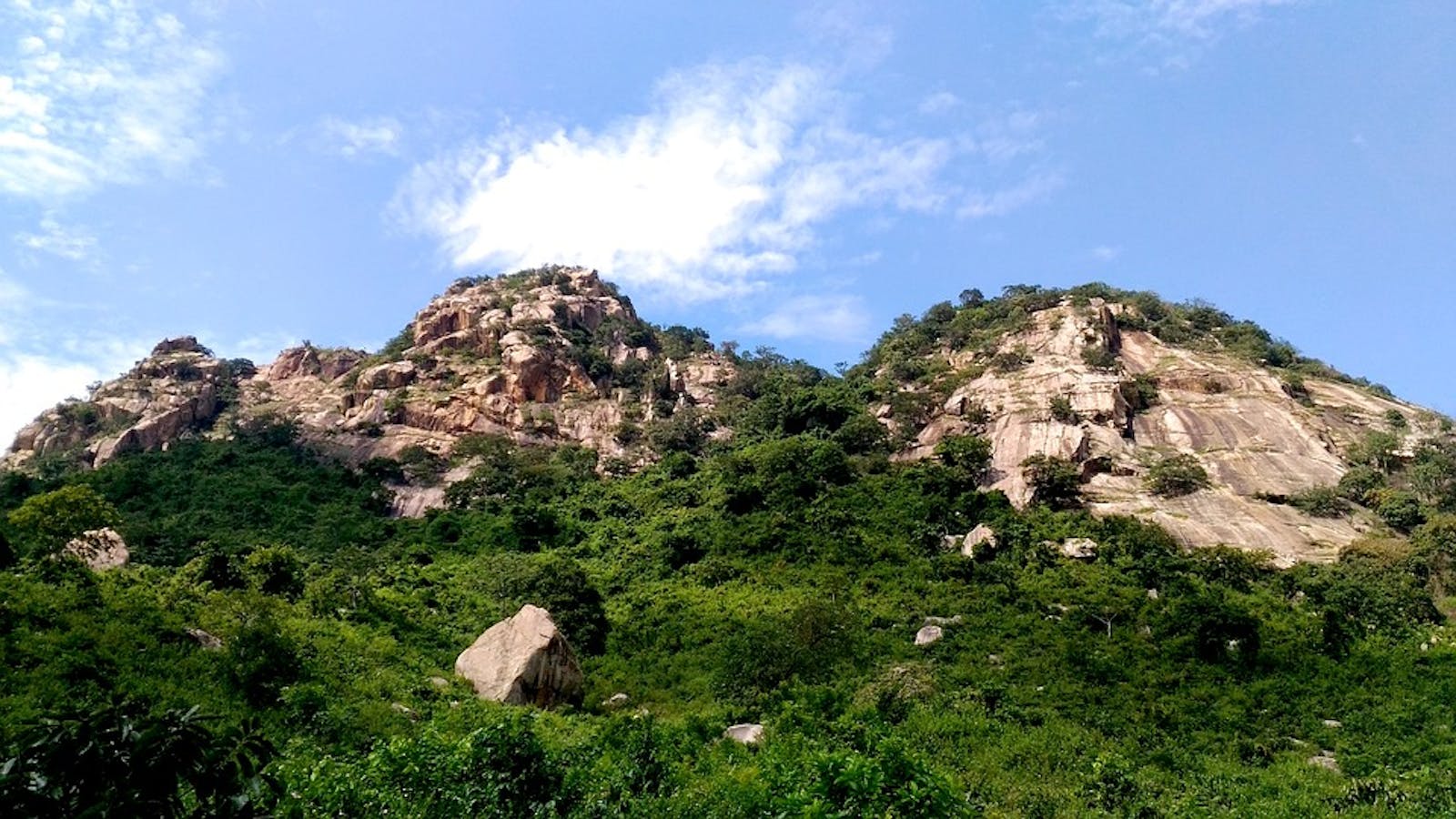
The Chota Nagpur Plateau is entirely located within the state of Jharkhand, but it also extends into neighbouring states. India’s mineral resource hub, the Chota Nagpur Plateau includes reserves of coal, iron ore, bauxite and mica. The Chota Nagpur Plateau is currently being used by several mining and industrial activities.
4. Bundelkhand Plateau

The Bundelkhand Plateau covers parts of both Madhya Pradesh and Uttar Pradesh. The Bundelkhand Plateau is made up of very old rocks that have been weathered, thus creating an irregularly shaped rocky surface. Although the Bundelkhand Plateau faces several challenges due to insufficient water resources, the Bundelkhand Plateau is a significant contributor to the historical geography of India.
5. Shillong Plateau
![A mountainous bastion faces an ecological threat [Commentary]](https://imgs.mongabay.com/wp-content/uploads/sites/30/2025/05/19104440/IMG_7495-2-768x512.jpg)
Meghalaya’s Shillong Plateau is situated in the northeastern part of India. Ganga plains separate it from the Peninsular Plateau, and it has a lot of rainfall, a diverse range of living things, and very pretty hills that surround the city of Shillong.
Conclusion
Plateaus in India are a crucial part of the geography, climate, and natural resources of the country, from the Deccan, which is very large, to the smaller Chota Nagpur that contains minerals, through to the beautiful Shillong Plateau; all play an important part in agriculture, industry, and preparation for competitive exams.

Ayukta Zisha is an education journalist with over three years of experience in digital media. A graduate of St. Xavier’s College, she holds a Master’s degree in English along with a certification in Digital Marketing from IIT Delhi. Backed by a strong academic foundation in the humanities, she specializes in creating educational and general knowledge content across history, geography, literature, and current affairs. During her tenure at Jagran Josh, she worked extensively on U.S. news and global developments, curating informative and engaging content for a diverse readership. Her subject expertise and ability to simplify complex topics enable her to make complex information accessible to a wide audience. Beyond journalism, Ayukta is an avid reader and a published author.




.jpg)
![[OUT] UPSSSC PET Admit Card 2026 LIVE: यूपी पीईटी एडमिट कार्ड जारी, upsssc.gov.in पर Direct Link](https://img.jagranjosh.com/images/2026/October/15102026/UPSSSC-PET-Admit-Card-2026.jpg)