Philip Noel-Baker Biography: Olympian Who Won Nobel Prize for Peace and Politics!
Discover Philip Noel-Baker’s biography. Learn about the only Olympian to win a Nobel Prize, blending sportsmanship, politics, and peace in the 20th century.
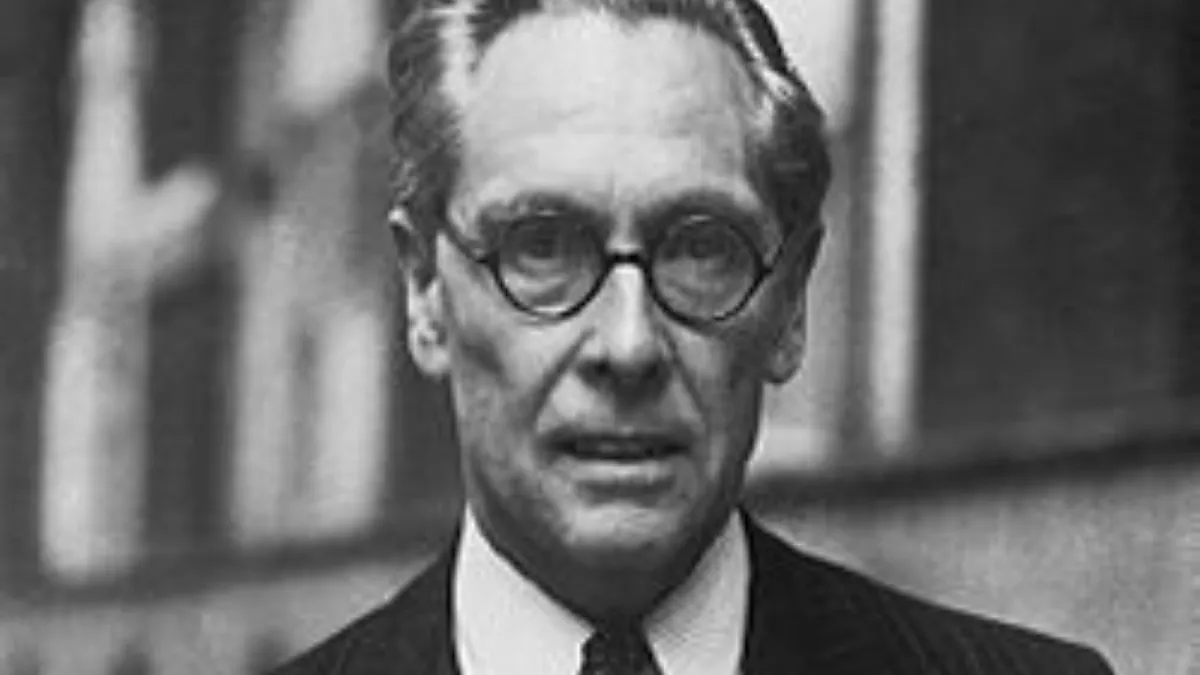
Philip Noel-Baker Biography: From the roar of the stadium track to the chambers of the League of Nations, Noel-Baker’s journey is a testament to how athletic discipline can evolve into diplomatic brilliance. Few figures in world history bridge the worlds of sport, politics, and peace quite like Philip Noel-Baker.
He is the only person ever to win both an Olympic medal and a Nobel Prize. However, his life, spanned the turbulence of two world wars and the dawn of modern international cooperation. He redefined what it meant to be a hero in the 20th century. In this biography, we explore how his rare blend of athletic excellence, academic insight, and moral conviction made him a symbol of the power of sports, diplomacy, and peacebuilding. Learn how this legacy continues to inspire leaders and athletes alike.
Early life and Education
Philip John Noel Baker was born on November 1, 1889, in Brondesbury Park, London. He was raised by a Canadian-born Quaker father. Noel-Baker was one of seven children, and he got his education at Bootham School (York) and Haverford College (Pennsylvania) before reading history and economics at King’s College, Cambridge. He earned his honours in 1910 and 1912, respectively. At Cambridge, he served as President of the Cambridge Union and of the Cambridge University Athletic Club.
Athletic career
Did Noel-Baker compete in the Olympics? Yes, he took part in the 1912 Summer Olympics in Stockholm and the 1920 Summer Olympics in Antwerp. As per the Nobel Prize, in the 1920 Games, he captained the British team and won the silver medal in the 1,500 metres.
Timeline of Events in Philip John Noel-Baker's Life: Track to the World Stage
He is widely recognised as the only person to have both an Olympic medal and a Nobel Prize. Let us learn about the timeline of events which took place in his life:

Academic career and military service
Before the First World War, he accepted the position of Vice-Principal of Ruskin College, Oxford, in 1914.According to the Nobel Prize, during the Great War, he served in ambulance units (Friends’ Ambulance Unit in France and the First British Ambulance Unit in Italy) and was awarded the Mons Star, the Silver Medal for Military Valour and the Croce di Guerra.
Political career
From the track to the world stage: Noel-Baker redefined heroism in the 20th century by moving into diplomacy, politics and peace advocacy. After WWI, he worked on the formation of the League of Nations, then joined its Secretariat. Moreover, he entered the British House of Commons (Labour) in 1929 and served in various ministerial roles, including Secretary of State for Air (1946–47) and Secretary of State for Commonwealth Relations (1947–50).
His lifelong campaign for disarmament and international cooperation led to him being awarded the Nobel Peace Prize in 1959 “for his longstanding contribution to the cause of disarmament and peace.”
You May Also Like to Read:
List of 9 Most Influential Dynasties in World History, Check Here!
List of 6 Countries Where Planes Cannot Land, Check Here!
To see more of such stories, you can go ahead and add this site to your preferred sources by clicking here.