List of UNESCO Intangible Cultural Heritage of India
Intangible Cultural Heritage (ICH) represents the vibrant, living aspects of a place's culture. Rather than ancient monuments or artefacts, ICH consists of traditions handed down through generations, elements such as knowledge, skills, and customs that cannot be physically touched. Discover the complete list of India's UNESCO Intangible Cultural Heritage (ICH), which highlights 16 unique and diverse living traditions.
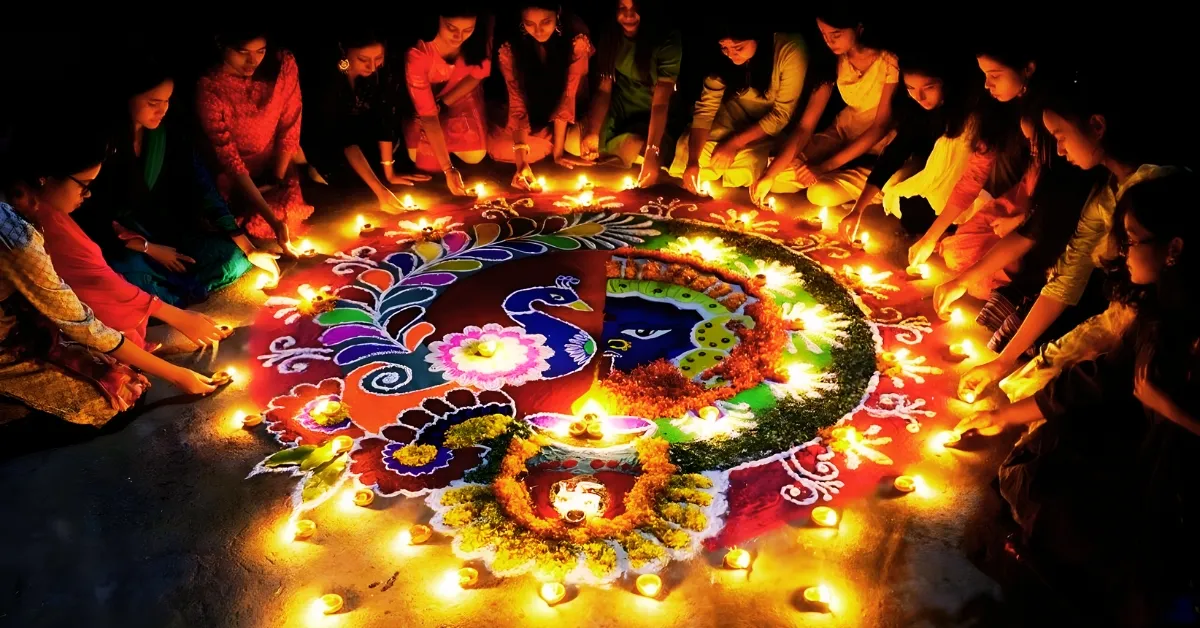
Intangible Cultural Heritage (ICH) is the living part of a place's culture. Unlike old buildings or artefacts, ICH includes traditions passed down through generations. These are things you cannot touch, like knowledge, skills, and practices. UNESCO recognises this heritage to help protect it worldwide. For India, this includes vibrant practices like the Garba of Gujarat, a dynamic dance form performed during Navratri. It also comprises ancient knowledge of Yoga. The recent addition is Deepavali, the festival of lights, which celebrates hope and the victory of good over evil. Such traditions strengthen social bonds and give people a sense of identity. In this article, we will take a detailed look at the complete list of UNESCO Intangible Cultural Heritage elements from India.
List of 10 UNESCO Intangible Cultural Heritage of India
India boasts a rich collection of living heritage recognised by UNESCO. These elements showcase the nation's diverse traditions, from ancient spiritual practices to vibrant performing arts. The following table organises the most recent inclusions on the Representative List of the Intangible Cultural Heritage of Humanity, highlighting the year of inscription and the specific tradition.
| Year of Inscription | Intangible Cultural Heritage Element | State/Region (Primary Focus) |
| 2025 | Deepavali (Festival of Lights) | Pan-India |
| 2024 | Nawrouz (Spring Festival - Shared with multiple countries) | Pan-India (Part of the larger global celebration) |
| 2023 | Garba of Gujarat | Gujarat |
| 2021 | Durga Puja in Kolkata | West Bengal (Kolkata) |
| 2017 | Kumbh Mela | Uttarakhand, Uttar Pradesh, Madhya Pradesh, Maharashtra (Rotating Locations) |
| 2016 | Yoga | Pan-India |
| 2014 | Traditional brass and copper craft of utensil making among the Thatheras of Jandiala Guru | Punjab |
| 2013 | Sankirtana, ritual singing, drumming and dancing of Manipur | Manipur |
| 2012 | Buddhist chanting of Ladakh: recitation of sacred Buddhist texts | Ladakh |
| 2010 | Chhau dance | Odisha, Jharkhand, West Bengal |
| 2010 | Kalbelia folk songs and dances of Rajasthan | Rajasthan |
| 2010 | Mudiyettu, ritual theatre and dance drama of Kerala | Kerala |
| 2009 | Ramman, religious festival and ritual theatre of the Garhwal Himalayas | Uttarakhand (Garhwal) |
| 2008 | Kutiyattam, Sanskrit theatre | Kerala |
| 2008 | Tradition of Vedic chanting | Pan-India |
| 2008 | Ramlila, the traditional performance of the Ramayana | Uttar Pradesh (Primary Focus) and Pan-India |
Deepavali: The Festival of Lights
Deepavali, or Diwali, is one of India's most beloved festivals. It is the festival of lights that celebrates the victory of light over darkness and of good over evil. Celebrated with the lighting of earthen lamps (diyas), prayers for prosperity, and the sharing of sweets, it is a time of spiritual renewal and social unity for families across India and the global diaspora. Deepavali was officially inscribed on UNESCO's Representative List of the Intangible Cultural Heritage of Humanity in 2025. It was added because it is a living heritage deeply rooted in Indian culture, promotes inclusivity, supports traditional craftsmanship, and fosters the intergenerational transmission of values such as hope and harmony.
Kriti Barua is a skilled digital journalist and communications professional with 4+ years of experience, currently writing for the General Knowledge section at Jagran New Media. She has established herself as a subject matter expert in History, Geography, Trending National and International News, Sports, Science, and Defence, producing clear, reliable, and search-optimised content that connects with readers worldwide.
Kriti holds a BA degree from Delhi University and a one-year diploma in TV Production and Journalism, an academic background that adds research depth and strong storytelling instincts to her writing. Her experience spans brand writing, content marketing, and digital media, giving her a sharp understanding of what makes content both helpful to readers and visible in search.
At Jagran New Media, she applies this expertise to national and international news coverage, query-based articles, and in-depth pieces across her specialist subject areas. Her content is defined by easy language, factual accuracy, strong keyword strategy, and reader-friendly storytelling.


-1792838780900_t.webp)

.jpg)
![[OUT] UPSSSC PET Admit Card 2026 LIVE: यूपी पीईटी एडमिट कार्ड जारी, upsssc.gov.in पर Direct Link](https://img.jagranjosh.com/images/2026/October/15102026/UPSSSC-PET-Admit-Card-2026.jpg)