What is a Group of Vultures Called?
What is a group of vultures called? The answer lies within the world of collective nouns. Vultures, often called nature's cleanup crew, are vital for ecosystem health globally, with many species like the Indian Vulture facing critical endangerment, underscoring the need to understand these crucial birds.
Key Points
- A group of vultures soaring is called a 'kettle' due to their swirling flight pattern.
- Vultures feeding at a carcass are known as a 'wake,' referencing a vigil for the dead.
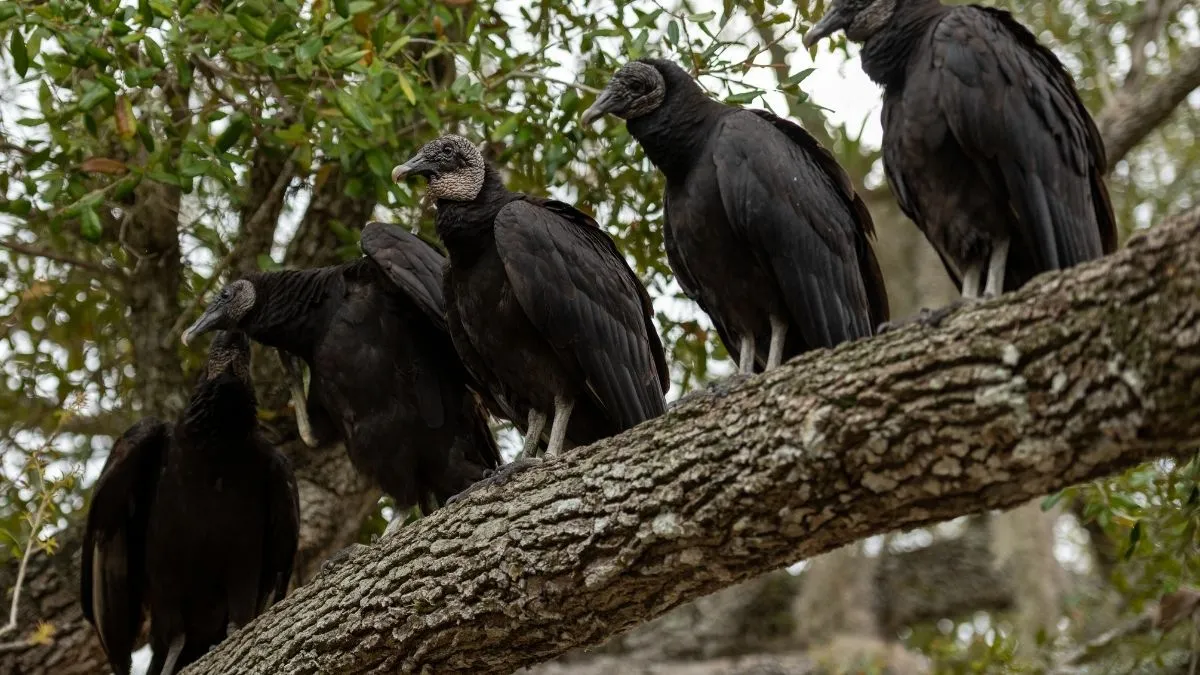
- A group of vultures resting or roosting is referred to as a 'committee'.
One of the many lesser-known facts about vultures is, they always ride the thermals high above in a swirling pattern as a group. This leaves one curious question behind: ‘What is a group of vultures called?’
The collective noun for a group of vultures is not just one simple term; it changes based on what the birds are actually doing. It is, therefore, a reflection of how our language has evolved to capture the dynamic, and sometimes macabre, presence of these essential scavengers.
While most people might simply say what a flock of vultures is called, the answer reveals a richer vocabulary, offering a glimpse into the history of collective nouns.
With vulture populations, particularly Old World species in Asia, facing serious threats from factors like veterinary drugs, learning about the group of vultures now is more relevant than ever.
What is a Group of Vultures Called in English?
The group of vultures is called by one of three primary names, depending entirely on their current activity. This unique system of collective nouns dates back centuries, often rooted in observational English.

| Activity | Collective Noun for Vultures |
| In flight, circling high | Kettle |
| Feeding at a carcass | Wake |
| Resting/roosting in trees/on ground | Committee |
Why a Group of Vultures is Called a Kettle
The term kettle is used specifically when a group of vultures (or other large birds of prey like hawks) is soaring in the sky. It is derived from the visual appearance of their flight pattern. As the birds circle upwards on a column of rising warm air, called a thermal, their circular motion is said to resemble steam swirling and rising from a boiling kettle or cauldron. This behaviour is crucial for conserving energy during migration.
Do You Know - What is a Group of Ravens Called?
Why a Group of Vultures is Called a Wake
A wake is when a group of vultures gathers around a dead animal and eats it. People think the name is a darkly funny or creepy reference to the custom of holding a vigil or wake for someone who has died. In this case, the vultures are gathered over the 'deceased' meal. This name strongly ties the birds to their grim yet vital role as nature's scavengers.
List of Other Names for a Flock of Vultures
While a kettle, wake, and committee are the most common and behaviour-specific names, a flock of vultures can also be referred to by a few other less common collective nouns.
| Collective Noun | Meaning |
| Committee | Used when the birds are perched or roosting. |
| Venue | A less-used synonym for a resting or roosting group. |
| Volt | Another obscure term for a group of vultures. |
| Flock | The generic term for any group of birds, including vultures. |
| Congress | Occasionally used, particularly for Old World Vultures. |
Find Out - What is a Group of Flamingos Called?
What is a Group of Black Vultures Called?
A group of Black Vultures (as well as Turkey Vultures and other species) shares the same collective nouns as the general vulture population. When Black Vultures are seen soaring high, the group is a kettle. When they are eating at a carcass, they form a wake, and when they are roosting, they are a committee. These collective nouns are not species-specific but rather linked to the birds’ observed behaviour.

Also Read - What is the Scientific Name of a Cat?
The interesting words that describe the group of vultures, from a high-flying kettle to a solemn wake, are a great reminder that language can be as rich and complex as the world around us.

Harshita Singh is an education and general knowledge journalist with over 5 years of experience in educational writing. Specializing in US affairs and GK, Harshita has a track record of breaking down intricate geopolitical and historical subjects into clear, digestible insights for learners. Her strong background in text analysis, coupled with a Bachelor of Arts (Hons) in English from the University of Delhi, helps her produce authoritative, thoroughly researched content that empowers readers to engage confidently with global current affairs. For inquiries or academic insights, you can reach out to her directly at harshita.singh@jagrannewmedia.com.