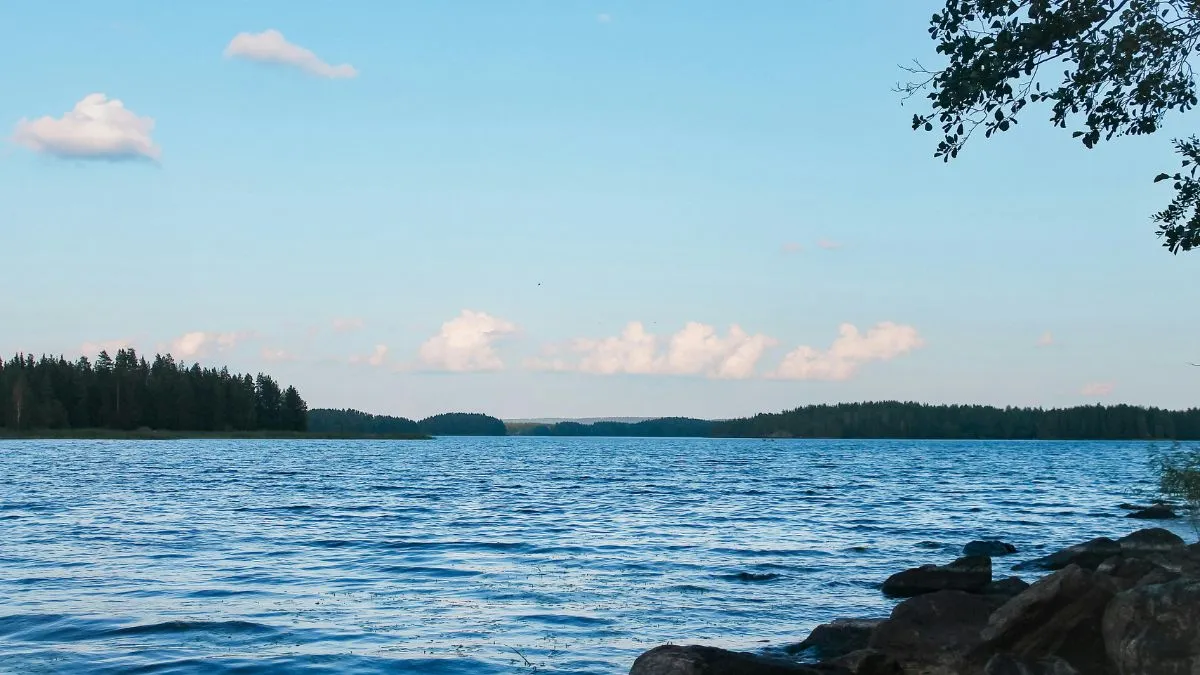
Salt Lake of India: Sambhar Lake is called the Salt Lake of India. It is the largest inland saltwater lake in the country and is famous for its extremely high salinity, large-scale salt production, and long historical importance.
Location of the Salt Lake of India
Sambhar Lake is located in Rajasthan, around 80 kilometres southwest of Jaipur. It extends across the Jaipur, Ajmer, and Nagaur districts and lies near the Aravalli mountain range. Several seasonal rivers such as Mendha, Rupangarh, Kharian, and Khandel flow into the lake, bringing dissolved minerals that increase its salt content. The lake has no permanent outlet, which causes salts to accumulate over time.
Why is Sambhar Lake called the Salt Lake of India?
Largest inland salt lake in India
Sambhar Lake is the biggest inland saline lake in India. Its area changes widely with seasons, spreading over a large region during the monsoon and shrinking significantly in summer. This seasonal variation makes it a unique geographical feature of the Thar Desert region.
Major centre of salt production
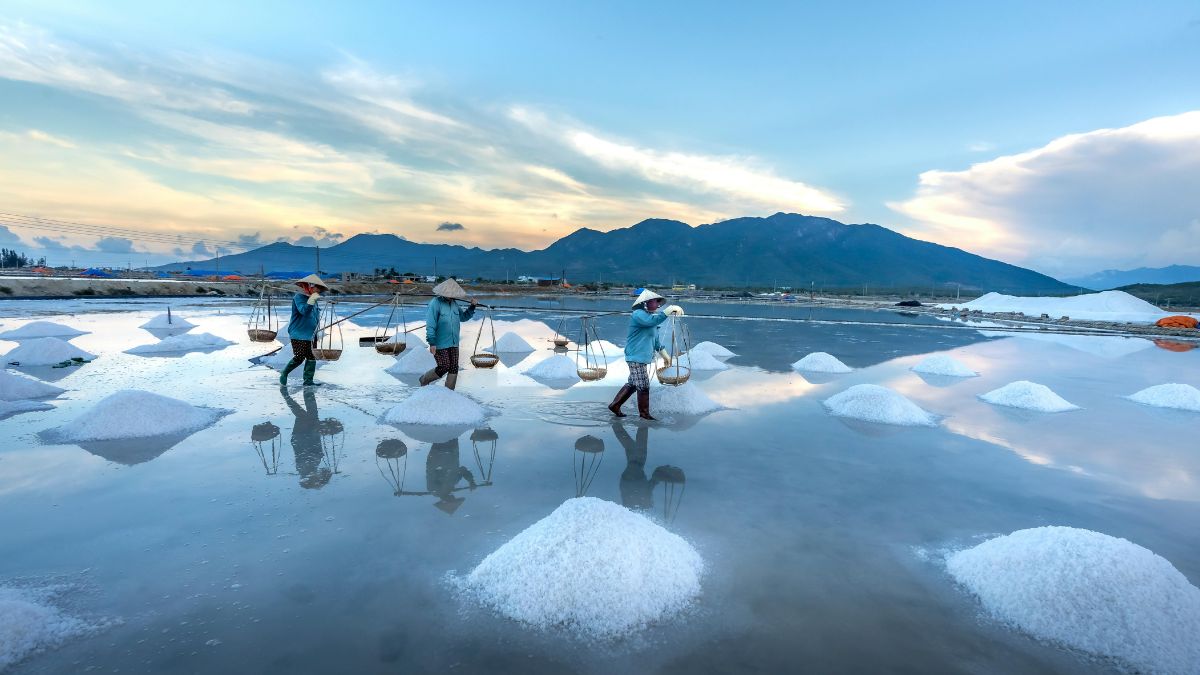
Sambhar Lake contributes a major share of India’s salt requirements. Salt is produced naturally through evaporation in large salt pans surrounding the lake. Sambhar Salt Limited, a government-owned enterprise, manages organised salt extraction, while traditional methods are also practiced by local communities.
Very high salinity levels
The water of Sambhar Lake contains extremely high salt concentration due to intense evaporation, low rainfall, and continuous mineral inflow from nearby streams. This makes the lake ideal for natural crystallisation of salt and gives it its distinct white salt layers during summer.
Long historical importance
Salt extraction at Sambhar Lake dates back more than one thousand years. The lake was a key source of salt during ancient Indian kingdoms and remained economically important during the Mughal and British periods. Control over Sambhar’s salt production was once considered a symbol of political and economic power.
Ecological importance of Sambhar Lake
Despite being saline, Sambhar Lake supports a rich ecosystem. During winter, it becomes a major breeding and feeding ground for migratory birds such as flamingos, pelicans, cranes, and storks. The lake is recognised as a Ramsar Wetland of International Importance because of its biodiversity and ecological value.
Interesting facts about the Salt Lake of India
Ramsar-listed wetland
Sambhar Lake is protected under the Ramsar Convention because it supports large populations of migratory water birds and unique saline vegetation.
Seasonal colour change
The lake often appears pink, reddish, or orange due to the growth of salt-tolerant algae and bacteria, especially when salinity levels are very high.
Major bird habitat in North India
Thousands of migratory birds from Central Asia, Siberia, and Europe visit Sambhar Lake every year, making it one of the most important bird habitats in Rajasthan.
Ancient trade and culture link
The lake played a major role in regional trade and supported settlements around it, shaping the cultural and economic history of the region.
Read more: Which Lake Is Known as the Five Flower Lake?



-1765782434462.jpg)
Comments
All Comments (0)
Join the conversation