Lunar eclipses have been of human intrigue since time immemorial, and the otherwise normal nights have become dramatic stunts in the universe. Although most individuals love to see the Moon gradually disappear into the shadow of the Earth, not many of them have to know more about science and the wonders of this dramatic occurrence.
Lunar eclipses, however, can tell us much more than just that the Moon has gone darker, through rare alignments and colour displays, historical anecdotes, and so on. Nine other facts known less well will enhance your enjoyment of this divine phenomenon before the visibility in the night sky is again provided by the next eclipse.
Also Read: Fact of the Day: 10 Interesting Facts About Solar Eclipses
Source: Getty Images
About Lunar Eclipses
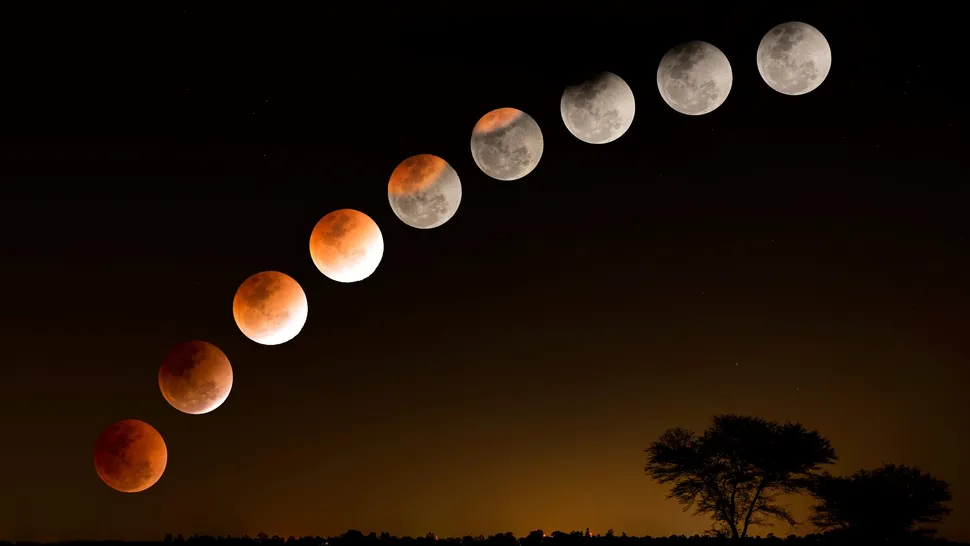
A lunar eclipse occurs when the Earth passes directly between the Moon and the Sun, casting its shadow onto the Moon. It will only occur when the Moon is full, and not all full moons create an eclipse due to the tilt in the Moon's orbit. The eclipses may either take the appearance of a total eclipse or be partial or slightly obscured, depending on how deep the Moon penetrates the shadow of the Earth.
9 Interesting Facts About Lunar Eclipses
1. A Lunar Eclipse Happens Only During a Full Moon
The eclipse of the Moon can only occur when the Sun, the Earth and the Moon align, creating the shadow of the Earth on the Moon. However, as the orbit of the Moon is tilted to 5 degrees with respect to the orbit of the Earth, this coincidence does not occur monthly, and thus, eclipses are extraordinary and rather rare.
2. The Alignment Is Called a "Syzygy"
When three heavenly bodies form a straight line, it is referred to as a syzygy. The term derives its origin from Greek, and it means yoked together. The term is not limited to the Earth-Moon-Sun system, but any three bodies in a linear configuration in three-space are considered a syzygy.
3. Lunar Eclipses Come in Three Types
Source: eclipsewise
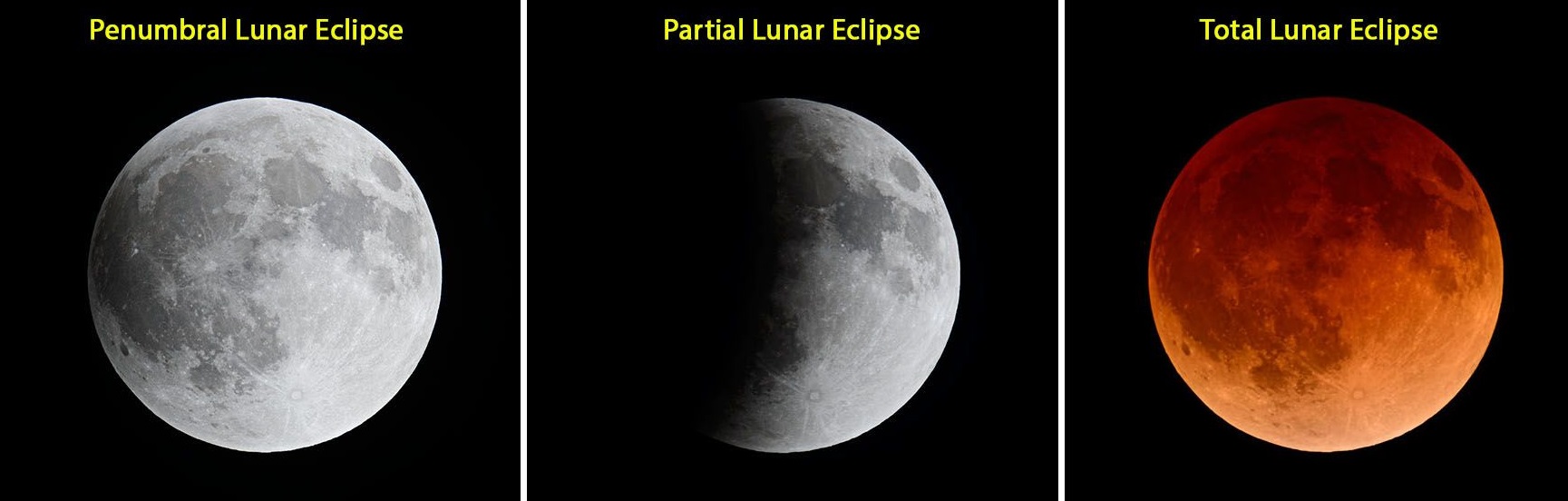
There are total, partial, and penumbral lunar eclipses.
-
Total eclipse: Earth’s central shadow fully covers the Moon.
-
Partial eclipse: Only a portion of the Moon slips into the shadow.
-
Penumbral eclipse: The Moon passes through Earth’s lighter outer shadow, often causing only subtle dimming.
In a total eclipse, partial phases occur before and after totality.
4. "Totality" Means Complete Darkness of the Moon
The word totality describes the period when the Moon is dipping into the darkest shadow of the Earth. At this moment, sunlight has been totally blocked out, and people are free to observe the drastic change of colour that is only seen during the total lunar eclipses.
5. From the Moon, You Would See Earth in Eclipse
Had you been on the moon at lunchtime on the shade of a lunar eclipse, the sight would have been inverted. There would be no darkening of the Moon, but rather the Earth would be in between the Sun and look like a large and dark disk with a reddish atmosphere around it.
6. Refraction Turns the Moon Red During an Eclipse
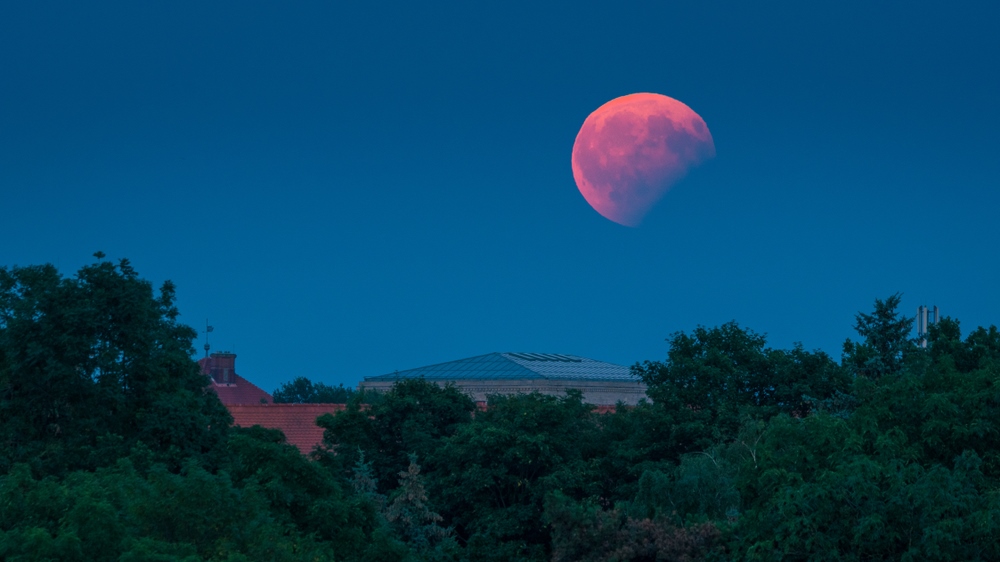
The red colour of the Moon is usually referred to as a Blood Moon because sunlight passes through the atmosphere of the Earth to reach the Moon. The smaller wavelengths are dispersed, whereas the red colour is reflected and lights the Moon. The red colour intensity varies according to the volume of dust, pollution or volcanic dust that is on earth.
7. Lunar Eclipses Have Time Limits
The maximum a lunar eclipse can be is 3 hours 40 minutes, and the totality can take up to 1 hour 40 minutes. This time varies depending on the point at which the Moon is in the shadow of the Earth, which is in a cone form but tapered.
8. Lunar Eclipses Will Change Over Millions of Years
The Moon moves at the rate of approximately 1.6 inches a year (4 cm) away every year. This continually growing distance will change the way the Earth casts a shadow on the lunar surface as the millions of years go by, and in the end, it will reduce the frequency and intensity of total shelter.
9. Christopher Columbus Once Used a Lunar Eclipse as a Trick
In 1504, when Columbus spent a challenging time in Jamaica, he was able to perceive an impending lunar eclipse and used his understanding to manipulate the local Arawak population. He could predict the darkening of the Moon by claiming that his God was angry. At the time of the eclipse, the townsfolk, who were terrified, came back on the side of Columbus and his crew, who were stranded.
Conclusion
The lunar eclipses are much more complicated and interesting than they seem to be. In some rare coincidences and altered colours to the past when the earth and the heavens were different, each eclipse brings forth some peculiarity of our earth, and its solar companion. Knowing these secretive facts, every eclipse is quite an impressive experience of a night-sky.





Comments
All Comments (0)
Join the conversation